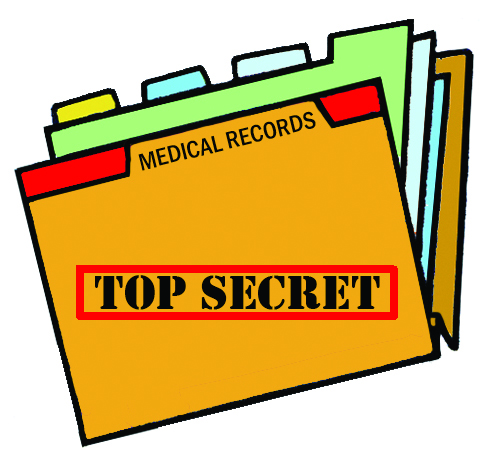
Confidentiality is super important as your medical records are a secret. We do not want anybody to see them if they do not need to.
A new law has been made that keeps your information safe, things like your address, date of birth, telephone number and records about your health and the treatment and care you have received in our hospital.
The hospital and other people collect and use information for all kinds of reasons, and the new law tells us exactly what we are allowed to do with you.
The law has given us a very important job of collecting, storing and making lots of private records on a daily basis to make sure we can see what is wrong with you and be able to make you better. We keep information about any times you’re been ill and any special conditions you are that we need to know about to keep you safe.
At top level we have two super heroes, one that defends all the things we need in place to be able to help make you better faster and a super hero who defends your information, this super hero is secret. Both super heroes work together as a team to be able to protect your confidential health care records.

We make sure that everybody that works here knows how to look after and keep your secret records a secret through lots of training.
What are your rights?
You have the right to:
- Be told how we use your information
- Ask to see the information we hold
- Ask us to change information you think is wrong
- Ask us to remove information when it’s not needed anymore
- Ask us to only use your information in certain ways
- Tell us you don’t want your information to be processed.
Why do we collect your information?
The doctors and nurses caring for you keep records about how you are feeling and how they have looked after you. This helps make sure you are looked after in the best way possible. Records that are made about you can include:
- Your name, where you live, when you were born and who looks after you
- Any hospital visits that you may have had
- Notes about any broken bones, special scans or x-rays you have had and reports on how you are feeling and what treatment you have needed to make you better
- Important information from people who care for you and know you well such as other doctors and nurses and members of your family.
It is very important that we always know your correct, up to date details. When you come and visit us next time please let us know if there are any changes.
How is your information used?
Your secret records are used to help the doctors and nurses look after and care for you:
- The doctors and nurses that look after you have all your information to see what is wrong with you, so they can make sure they can care for you the best way they can.
- If you are not happy and want someone to listen to your concerns, they can be properly looked in to.
- Your private information is available if you need to see another doctor or need to go to another hospital.
Who do we share personal information with?
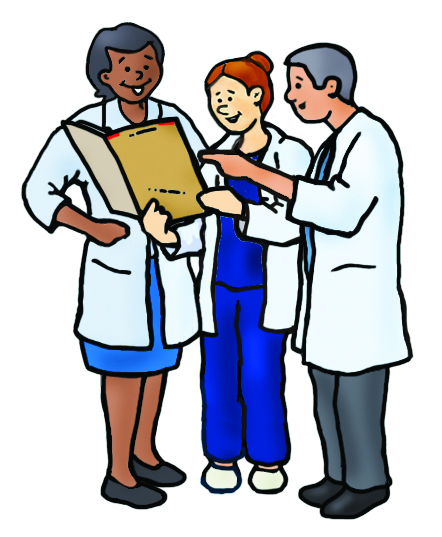
Everyone that looks after you has an important job to keep the private information about you safe. If we need to send your information to anyone, they have to keep your information private and safe too.
Sometimes you may have extra care from other people as well as us. We may need to share some information about you with them so we can all work together, to help you get better
We don’t share your private information with anyone else without your permission, unless the law says we can or should.
Care Records
The Leeds Care Record and the Yorkshire & Humber Care Record are two smart systems that share information to allow your doctors (or anyone that is going to help with your healthcare) to see your most up-to date health information. This helps your doctors to get you better quicker.
Disclosure of information
Even though you are young, you are able to decide how and who is allowed to share your private records that show who you are. If you don’t want your records sharing tell the doctors and nurses so they can make a note in your record.
We think you’re old enough to make your own decision relating to your health records at the age of of 16, however in special circumstances, you may be able to make your own decision at the age of 13. If you need to give your special consent, the doctors, nurses and other NHS staff would need it writing down along with your signature.
If for any reason you decide that you no longer want to give your consent, don’t be frightened to say so.
How your personal information is used to improve the NHS
Sometimes the NHS might use your information to help them keep helping other children and adults by:
- Looking at how you have being looked after, and
- How this will help other children and adults in the future.
- Help you if you decide you need to speak with someone about how you have been looked after.
- To make sure the hospital get paid so they have enough money to help others.
- Do some extra work to find out other ways of helping people get better (with your special consent – it is your decision).
- To help doctors, nurses and other NHS staff learn more.
You can choose not to allow your information to be used to help improve the NHS. Please speak to your doctor or nurse and they will explain what you need to do.
Call recording and CCTV
Telephone calls to the Leeds Teaching Hospitals NHS Trust may be recorded and CCTV cameras are in place around the hospital sites. We record calls and use cameras for the following purposes:
- To keep patients, staff and visitors to our hospitals safe
- To make sure that people behave properly towards each other.
SMS text messaging
If you are grown up enough to have a mobile phone, we might send you a text message to help you remember that you have an appointment with us. If you do not have a phone, your responsible adult will get a text.
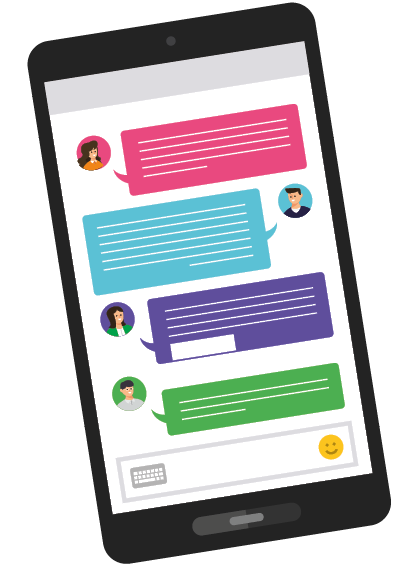
You may also receive your appointment letters via an SMS text message, you will be provided with a special link and code to access your appointment letter.
If you do not access your appointment letter within 24-48 hours you will also receive a paper copy of the letter via post.
Virtual appointments
The Leeds Teaching Hospitals NHS Trust has had to change the way in which our doctors have appointments, this is to help you if you cannot come to the hospital in person. With your consent, your doctor may ask to see you on your computer using a special hospital system virtually. This will let your doctor talk to you on your computer so you do not have to come to the hospital.
How you can access your records
The Data Protection legislation gives you the right to see the information we hold about you on our records.
If you would like to have your private records, you would need to fill out a form or speak to someone about getting them from the Access to Health Record team via 011320 66661. You can get someone to do this but make sure your own signature is put on there if you are filling the form out. The Access to Health Records Department will help you with this. The Trust has one month from receipt of:
- Information about what you would like to see from your private records
- A verbal request or completed application form to help us find your records.
Even as a child, you have the right to object to any record that has been accidently added to your medical records that either is not about you or is wrong, you can request this to be removed.
If you are feeling upset with how the doctors, nurses or any other members of staff have looked after your private confidential records. You have a right to make a complaint. You need to contact the Information Commissioning Office at the address on page 10.
Retention
We are allowed to keep your private records right up until your 25th birthday. Once you get to 25, if you have not been seen by one of our doctor or nurses for a long time, your records may then be destroyed in line with NHS Code of Practice.
If you are still being seen by the Trust, we will keep your private records for up to eight years after you have finished visiting us.
Data controller
The Data Controller responsible for keeping your information confidential is:
The Leeds Teaching Hospitals NHS Trust, St James’s University Hospital, Trust Headquarters, Beckett Street, Leeds LS9 7TF
The Trust’s Data Protection Officer is:
Johnny Chagger

Complaint address
Information Commissioner’s Office
Wycliffe House, Water Lane, Wilmslow SK9 5AF
Four important things to understand:
1. The laws allows us to collect and use your information to help us do our job.
2. We may share your information with others, but only when we really need to.
3. You can choose not to allow your information to be shared whenever you have a choice.
4. You can tell us not to share your information, even when you have said yes before.
Legal basis for processing your data
As part of our requirements under the law, the Trust must demonstrate a clear legal reason for collecting, using, sharing and retaining personal data about you. For personal data used in the provision of health and social care our basis is outlined as ‘…necessary for the performance of a task carried out in the public interest or in the exercise of official authority…’ under 6(1)(e) of UK GDPR. This is because Trust is a public organisation providing a healthcare service and is required to use names, addresses or other personal data to deliver this service.
Our legal basis for using sensitive personal data (called ‘special categories of personal data’ under UK GDPR) is that this is necessary for the ‘provision of health or social care or treatment or the management of health of social care systems and services’ under 9(2)(h) of UK GDPR. This is because the Trust must use health and social care information about you or your child in the delivery of their care.
Furthermore, these points cover the use of data for clinical audits, service improvement and sharing with other health or social care providers when necessary as part of our service delivery.
There may be times when the Trust uses other different legal bases for other services it provides (for example, research).