
Dr Ai Lyn Tan, Medical Director Research & Innovation
As part of my role as Medical Director of Research & Innovation, it is essential that we ensure everyone has access to careers in science regardless of gender, and that research is fully embedded throughout the Trust.
That mission includes inspiring women, not just our colleagues at Leeds Teaching Hospitals, but also future generations of researchers to see medical research and science as being for them.
Globally more young women pursue higher education—46% enrol within five years of completing secondary school, compared with 40% of men—but women only make up 35% of science graduates.
Women are also underrepresented in scientific research, with just 31% of researchers being women in 2022.
The purpose of the day is not symbolic alone, but an essential part of inspiring women and girls, both now and in future generations, to be part of great medical achievements driven by scientific research.
All woman and girls should feel they have a place in science if they so choose, and part of that is being encouraged by seeing the great things women have and continue to achieve in research.
This year we wanted to spotlight two great colleagues from our Trust in Leeds who do amazing work as women in science.
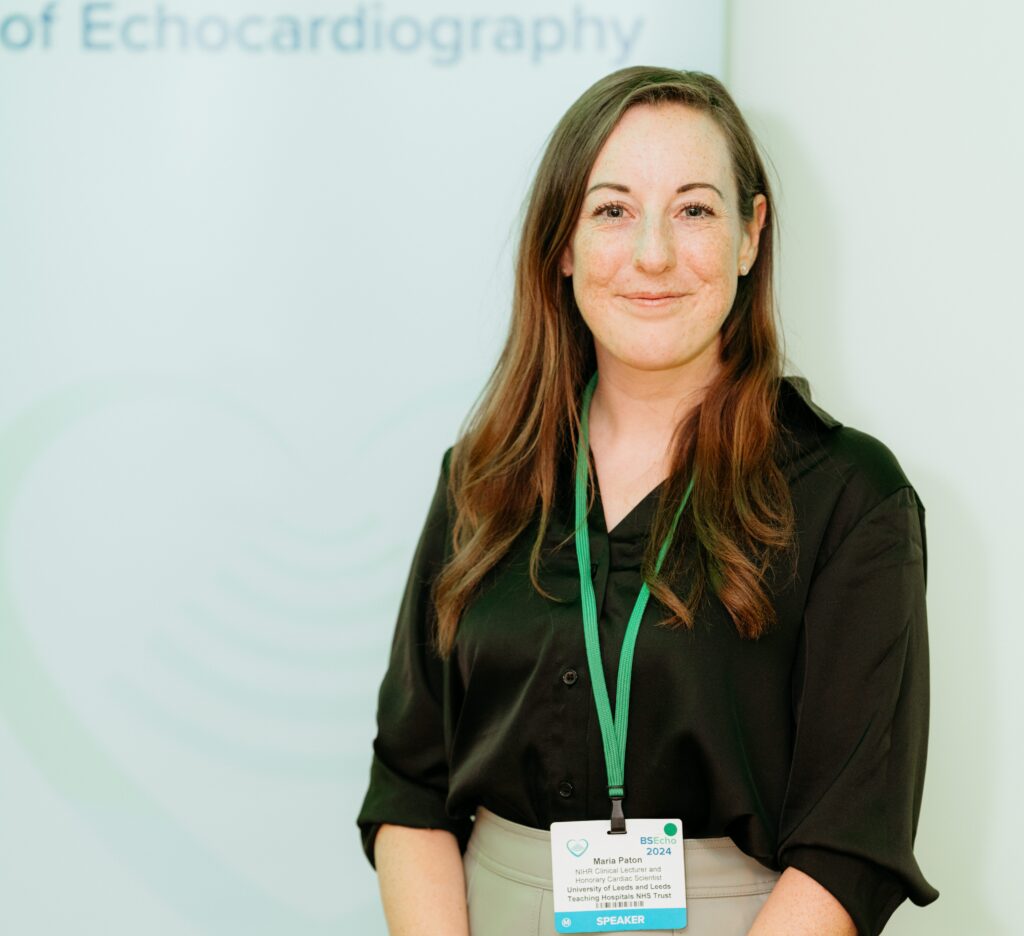
Dr Maria Paton is a Clinical Academic Cardiac Scientist, lead for the heart failure and cardiac device services at Leeds Teaching Hospitals and Postdoctoral Fellow at the University of Leeds and NIHR Leeds Biomedical Research Centre.
I love being a healthcare scientist and feel very lucky to have stumbled into the career I have, even though my path has not always followed the ‘usual’ route.
I had virtually no idea what a cardiac physiologist was when I started. I remember our first day on the degree and being told we had an 8-week unpaid placement over the Summer every year, and starting to ponder my choices! All I knew was that I really enjoyed learning about biology and physiology, particularly the cardiovascular system, although at that point I thought I would continue on to study medicine and become a doctor.
By the time I had graduated in 2011 I knew clinical cardiac physiology was the profession I wanted to be in, in a centre I loved, with colleagues I really admired.
I had always been interested in academia and started guest lecturing on the undergraduate degree, but it was through working in the heart failure clinic that I saw how clinical practice and research could be linked and even be a career.
It’s been fantastic to see the clinical academic community in cardiac science grow and be part of it. We are very fortunate to have some amazing role models in healthcare science, many of whom have generously given me their support.
I really hope that now more scientists than ever, all across the UK, particularly women and girls, know more of the routes and opportunities available to be involved in research, to be brave and feel able to shape their career.
I couldn’t imagine having any other career now, and I hope in a small way I can contribute to making clinical academia attainable for more people.
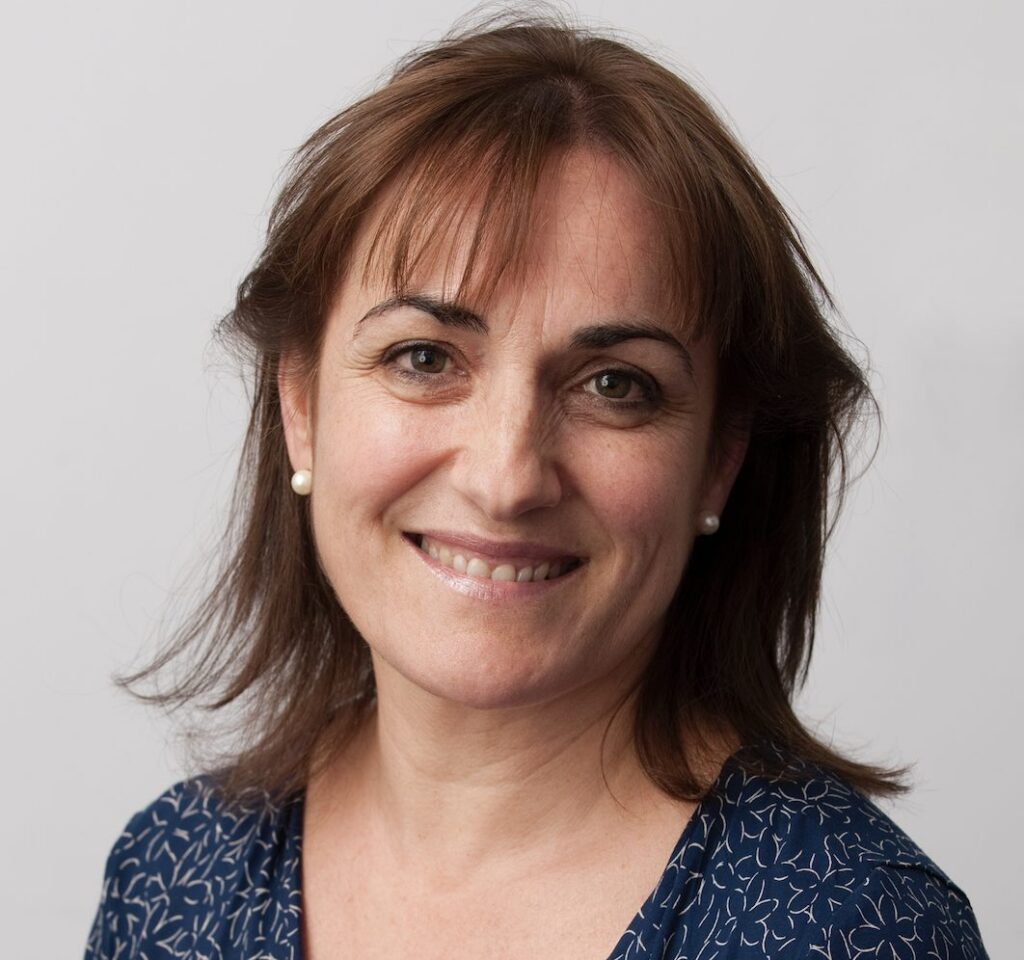
Professor Helena Marzo-Ortega is Consultant Rheumatologist and Honorary Professor of Clinical Translational Rheumatology at the University of Leeds. She is also co-workstream lead for NIHR Leeds Biomedical Research Centre’s Musculoskeletal Disease research into the prevention of psoriatic arthritis.
I am a part-time academic clinician within the NHS and lead for the cross-specialty, award winning Specialist Spondyloarthritis Service (SpA) where we have developed specialised care for people with SpA and related conditions.
The service is a clinical research hub with nearly 70 trials completed in the last 15 years, with the aim to use research to improve patient care through earlier diagnosis, enhanced treatment options and strategies for better longer-term outcomes. From starting as a single-handed consultant, I am really lucky to work alongside a large and effective team of colleagues.
Research is the core of everything we do in medicine. The reason why we do things in a safe and effective way, is because someone before us has researched each intervention. Clinical research belongs in the NHS and can easily be embedded in all our daily activities, and we all need to contribute to it as clinicians in some way or other.
One of the first pieces of research I was worked on as a resident was the first seminal trial using a TNF inhibitor drug in rheumatoid arthritis, which I replicated in axial spondyloarthritis, another chronic, debilitating disease. Seeing the huge impact of this drug on people’s joint symptoms and quality of life fascinated me, I never looked back.
Twenty years on, this research has helped change the lives of many people, revolutionising service provision models worldwide with hardly any inpatient care needed for patients in rheumatology these days.
All the research I have been involved in during my career has had immediate translation into improved patient care, and leads to higher levels of satisfaction for patients and staff. Clinical practice can’t exist without research. Research is not an extra chore, it is the way we improve practice.
For women and girls considering a career in medicine, know that research is at the core of what we do. There are strong academic pathways for clinicians and other health professionals through organisations such as the NIHR, supporting research careers within the NHS. Find a mentor who can guide and inspire you in your chosen field and, with passion and dedication, know that there is a place for you in health research.