
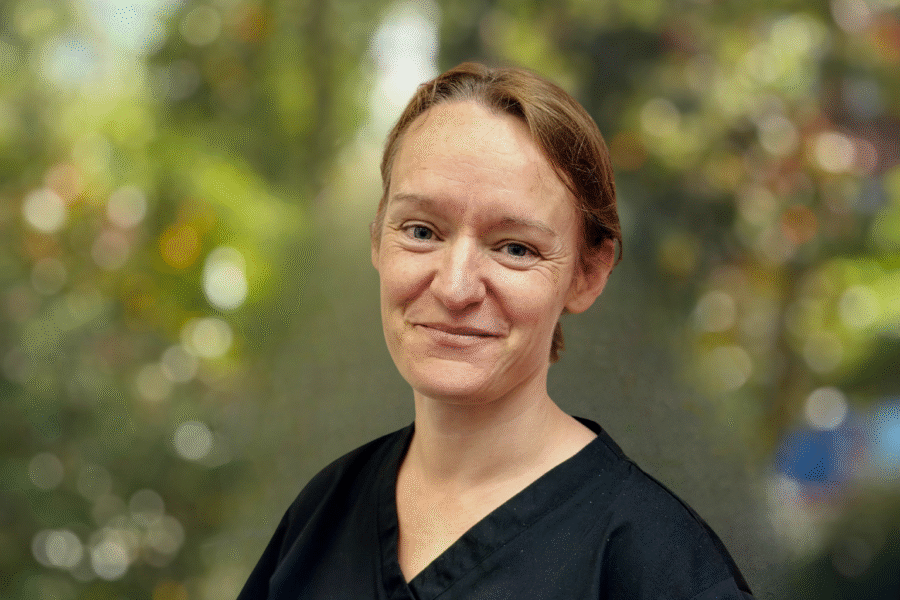
This year’s themes – give to gain and supporting the supporters – perfectly complement the work we’re doing around digital patient safety. This is built on noticing what others might miss, keeping the patient story at the centre of everything we do, and giving time and attention so colleagues can do their best work.
Vicki Faint, our Lead Nurse for Digital Patient Safety, sums up her approach simply – look for the gaps, ask who could be left behind and bring it back to the person at the end of the process.
Digital safety is about people, not just systems
Digital safety can be mistaken for a technical checklist. In practice, it’s a patient safety lens applied to technology. When a digital process goes wrong, it can go wrong at scale. What might once have been one missed letter can become hundreds or thousands of missed communications, with real consequences such as delayed treatment, missed appointments, or decisions made without the right information.
That is why Vicki focuses on the practical realities of digital journeys. When we send eForms or messages to patients, she asks questions that prevent harm early. How does it land on someone’s phone? Is it clear? Is it usable?
Equity is a safety requirement
Vicki also highlights how women’s health has not always been researched or prioritised in the same way as other areas, and that other groups can be under researched too, including babies and pregnant women. When evidence is uneven, systems can unintentionally reinforce inequality. Digital safety therefore asks a direct question – are we disadvantaging anyone through the way we design or implement this? Equity is not an optional extra, it is part of being safe.
Vicki is optimistic about what well designed systems can do, especially for conditions with long diagnostic journeys, such as endometriosis. The goal is not to replace clinical judgement, but to support it by flagging patterns and prompting clinicians to consider what else might be going on.
Supporting the supporters, at work and beyond
Digital safety sits between clinical care, digital delivery, and governance, so Vicki works across teams, partnering with patient safety and quality colleagues on investigations and learning alongside clinical engineering and medical devices teams where governance is embedded.
Outside work, she gives significant time to grassroots rugby in voluntary, behind the scenes roles, from first aid to organising fixtures, transport, kit, and referees. She calls it ‘keeping the lights on support’, which enables others to focus on what they do best. It also sharpens her awareness of digital exclusion, particularly through an adults team for people with learning disabilities, reinforcing the questions she brings into NHS design. Who might struggle? What barriers exist? What safe alternatives do we offer?
This is give to gain in the most human sense. Giving time and support, and gaining perspective, stronger listening, and more inclusive digital care. On International Women’s Day, Vicki’s story is a reminder that digital patient safety is not only technical. It is attention, empathy, and practical problem solving, and recognising the supporters who keep services running.