The lifelong effects of rare blood disorder diagnoses in childhood are being analysed in a first-of-its-kind study led by the University of Leeds and clinicians from Leeds Teaching Hospitals NHS Trust.
Researchers will investigate the long-term effects of sickle cell disease, beta thalassemia and acute leukemias by linking records across England and surveying patients, as part of the Haematology Lived Experience and Outcomes (HALO) study.
In the UK, beta thalassemia affects about 1,100 people, and sickle cell disease affects around 17,500 people. Understanding patients’ lived experience into adulthood is vital to improve treatment and to reduce health inequalities, the researchers say.
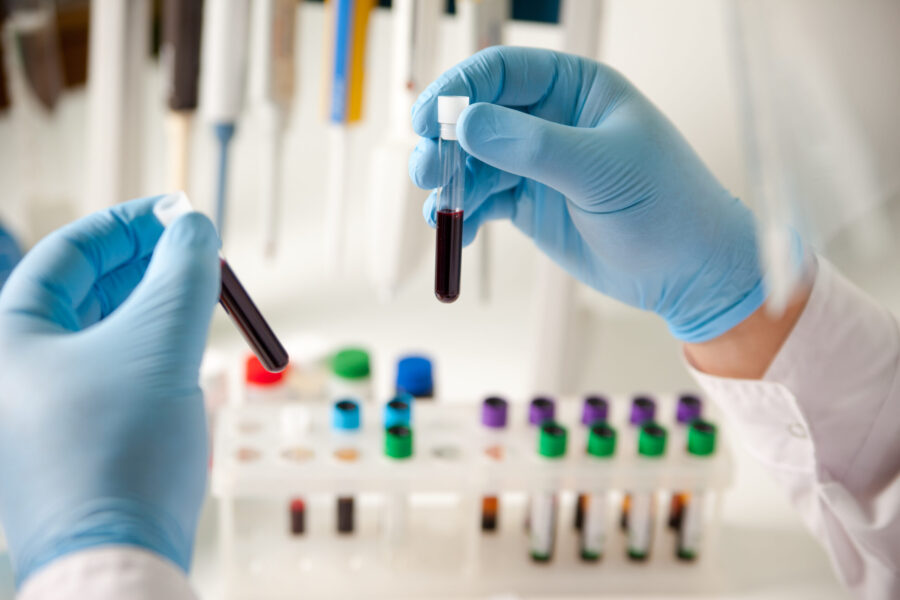
Both beta thalassemia and sickle cell disease affect red blood cells, causing anaemia and making it harder for oxygen to be carried around the body, which results in chronic fatigue. Sickle cell disease can cause severe pain, stroke and increased risk of infection, while beta thalassemia causes poor growth and fatigue. Both are chronic disorders associated with a limited life expectancy and may be managed into adulthood with strategies like regular blood transfusion or stem cell transplants.
Acute leukaemias are aggressive blood cancers of the white blood cells that are mainly treated by chemotherapy or bone marrow transplants. They can cause emergency blast crises where patients feel very unwell, with symptoms such as seizures and vomiting, due to high concentrations of white blood cells in the blood.
There has been limited research into the long-term implications of these diagnoses so far, but the researchers hope the information gleaned from the HALO study will inform those affected, as well as health professionals, in making the best choices about their care, and improve quality of life. The first-of-its-kind study is funded by a £680,000 grant from Leeds Hospitals Charity and co-led by academics and clinicians from the University of Leeds and Leeds Teaching Hospitals NHS Trust, which includes Leeds Children’s Hospital.
HALO is part of Child Health Outcomes Research at Leeds (CHORAL) – a partnership harnessing the expertise of the University of Leeds and Leeds Teaching Hospitals NHS Trust to improve outcomes for children, funded by Leeds Hospitals Charity.
Solome Mealin, a PhD student at Leeds Beckett University and sickle cell disease patient, has regular treatment at St James’s University Hospital in Leeds.
She says: “I love that hospital because they understand me, and I understand them. When you call they listen, they understand and they encourage you to come in when you need help.”
Richard Feltbower, Professor of Paediatric Epidemiology at the University of Leeds and Deputy Director of CHORAL, is co-leading the study. Professor Feltbower said: “This study will shine a light on the patient experiences of those with sickle cell disorder and beta thalassemia and compare them to acute leukaemia survivors to identify how the NHS can best support these individuals.
“It will also harness whole population data from existing national clinical registries to provide key information for families on life expectancy, the risks of long-term health problems and how their education and employment prospects are affected by these conditions.”
Beta thalassemia and sickle cell disorder are both inherited diseases that originated centuries ago as genetic mutations responding to malaria. Sickle cell disease mainly affects people from African and African-Caribbean backgrounds, and beta thalassemia is usually found in people of Mediterranean, South Asian, Southeast Asian and Middle Eastern heritage.
Adam Glaser is Professor of Paediatric Oncology and Late Effects and Director of CHORAL at the University of Leeds and Leeds Teaching Hospitals NHS Trust. Professor Glaser said: “So little is known about the long-term personal and societal impact of living with sickle cell disease, beta thalassaemia or acute leukaemia diagnosed in childhood.
“The HALO study gives us a golden opportunity to address this knowledge gap, thereby enabling delivery of optimal holistic care and support leading to enhanced quality of life of affected individuals.”
Edward Ziff OBE, former Chair of Trustees at Leeds Hospitals Charity, made a significant contribution to the HALO study. He says: “I was personally motivated to support Beki James and this project because my son Jacob was diagnosed with leukemia as a teenager and received exceptional care at Leeds, and he is now thriving. I am delighted to hear that the HALO project has now launched, which has the potential to transform outcomes for children living with rare blood disorders like leukemia. I hope that this groundbreaking research gives more children like my son the opportunity to live the best possible life into adulthood.”
HALO will use routinely collected information on people with these diagnoses using NHS sources, national clinical registries, educational and social care data sources. The survey will open in January 2026, and the data linkage component began in Autumn 2025. It is being delivered in partnership with Haemoglobinopathy Co-ordinating Centres (HCC) North-East and Yorkshire (NEY), Leeds, Newcastle, Bradford & Sheffield. North-West (NW): Manchester & Liverpool. Other collaborators include Sickle Cell Society, UK Thalassemia Society, Leeds Hospitals Charity and the National Institute of Health and Care Research (NIHR) Leeds Biomedical Research Centre (BRC).