
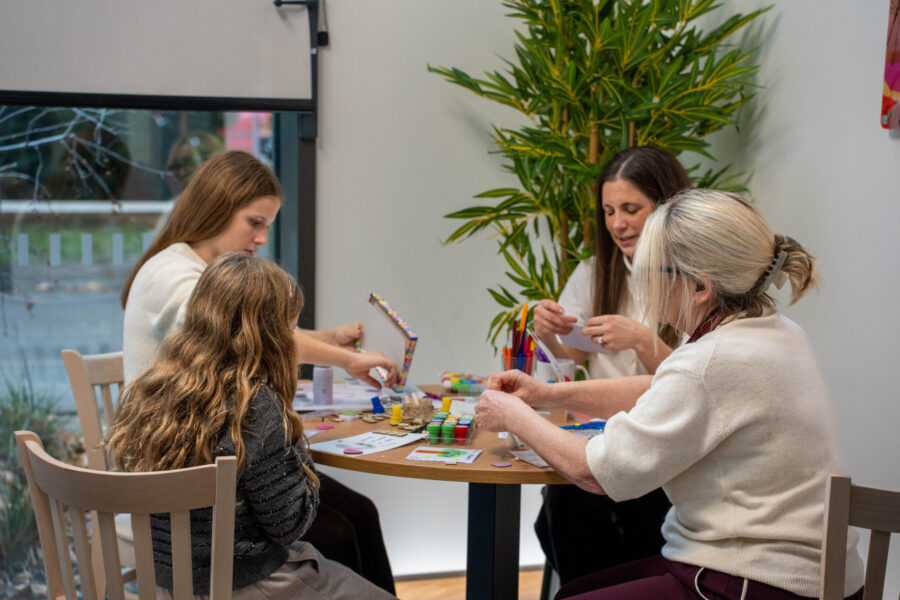
A number of new sessions and services are being offered to patients and the people who are important to them.
These include mindfulness and relaxation groups, and meditation sessions, which are all open to people from across the MND community in Leeds, West Yorkshire, North Yorkshire, East Riding and the Humber, including patients, families and carers.
A peer support group for bereaved carers is also available for past carers from Leeds and the West Yorkshire region.
Gary Jevon, Centre Manager, said: “We always wanted the centre to feel different from a traditional clinic and these holistic care groups are a great part of that.
“The mindfulness and relaxation and meditation sessions offer a gentle space for patients and carers to pause, breathe and reconnect. This supports relaxation and a sense of calm through simple, guided practices, including breath awareness, mindfulness and light movement, if possible. Everything is optional and those who attend are free to participate in whatever way feels right for them.
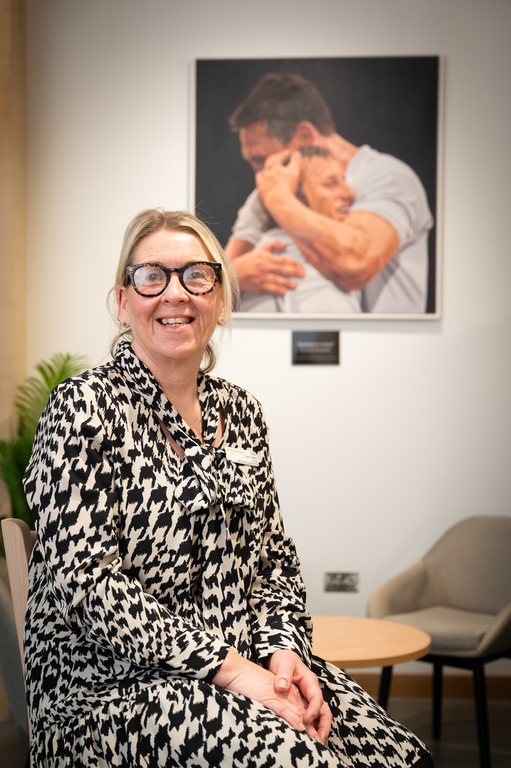
“The Cornflower Group, run by Sam, our family support worker, and the MND Association, gives bereaved carers a space for them to talk and remember a loved one. This was previously running in a service station café and has now been able to move to the new centre, giving past carers a more peaceful and therapeutic setting.
“We are looking forward to developing more groups for patients and families here in the future.”
Another new group, the PEG Café, has been set up for Leeds patients, giving them the opportunity to join an informative and informal chat about Percutaneous Endoscopic Gastrostomy (PEG) tubes, which deliver nutrition and hydration directly to the stomach.
Dr Andrew Gill, a palliative medicine consultant who has worked in palliative care in general practice and hospices and is currently based at Airedale General Hospital, will also now be working with motor neurone disease (MND) patients in Leeds.
Dr Gill will be working with patients in Leeds one day a week, helping them manage symptoms and plan for the future. He will talk with patients, and the people who are important to them, about their priorities and wishes. He will also work with patients who have been admitted into hospital, and with those who need home visits.
“When people think of palliative care, they think it’s mostly for older people who are actively dying of cancer, but it’s for anyone with life-limiting illness,” said Dr Gill.
“Palliative care is important right from diagnosis. When people are supported to make decisions all the way through their treatment, it can make a real difference for them in receiving the care they want towards the end of their life.”
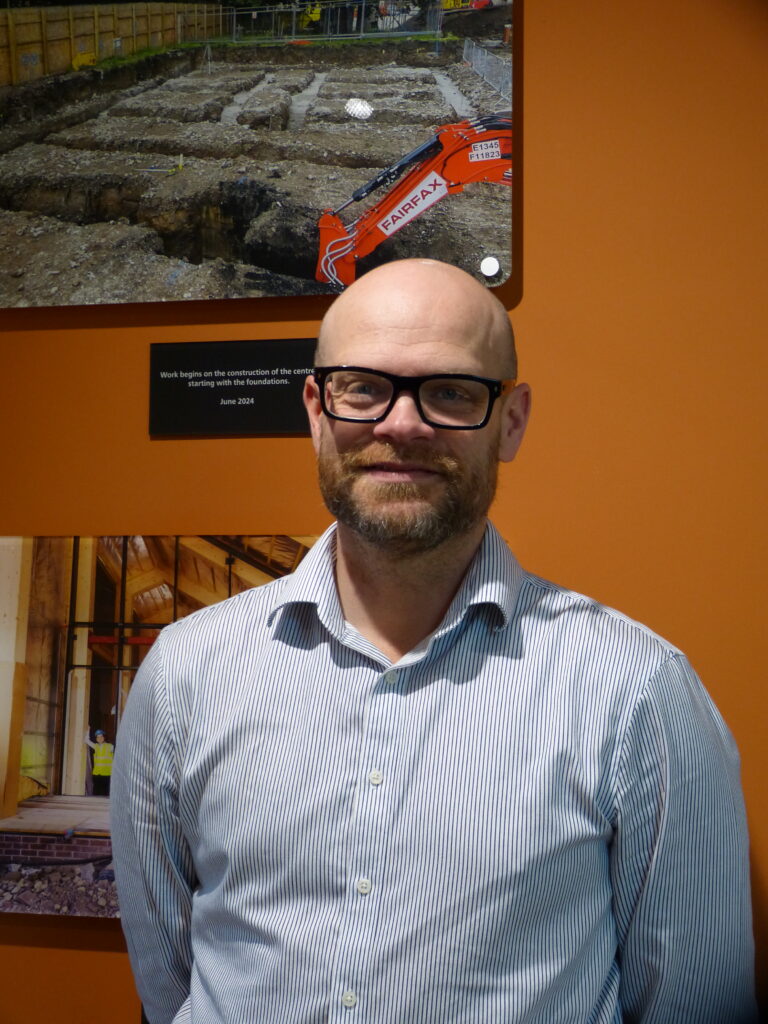
People from marginalised groups often have worse access to palliative care and this is something Dr Gill wants to address. “We have to develop palliative care for the needs of the diverse population we serve,” he said. “Everyone should be able to make decisions about where they want to be and the treatment they want to receive, through their care and towards the end of life.
“It’s really rewarding when you navigate those conversations well and people get the care they want and are as comfortable as possible.”
Dr Gill added: “It is really inspirational working here and being part of this team. It feels like a place that’s been inspired by patients, built by patients, and everyone works together for the patients and the people that are important to them.”
Find out more about the sessions available and how to join on our website here.