
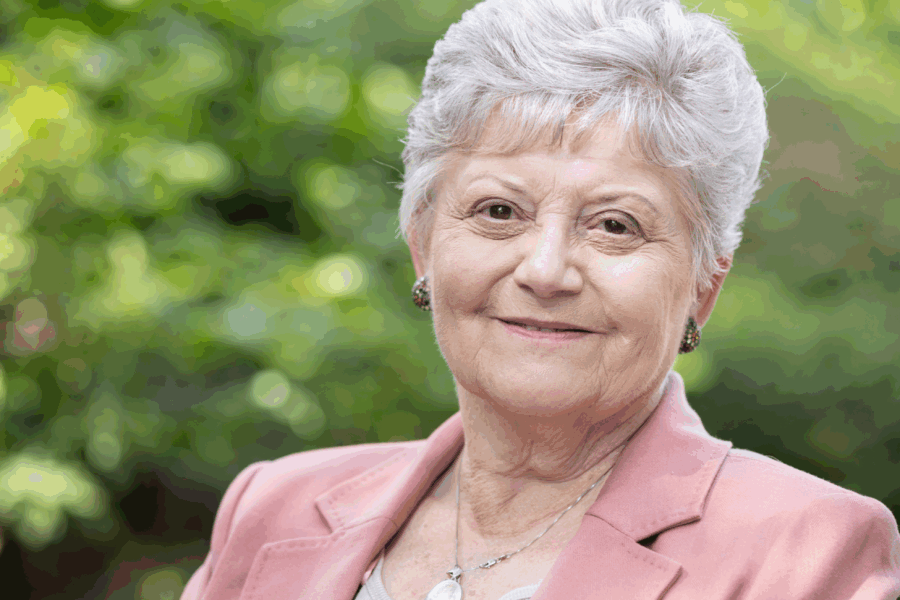
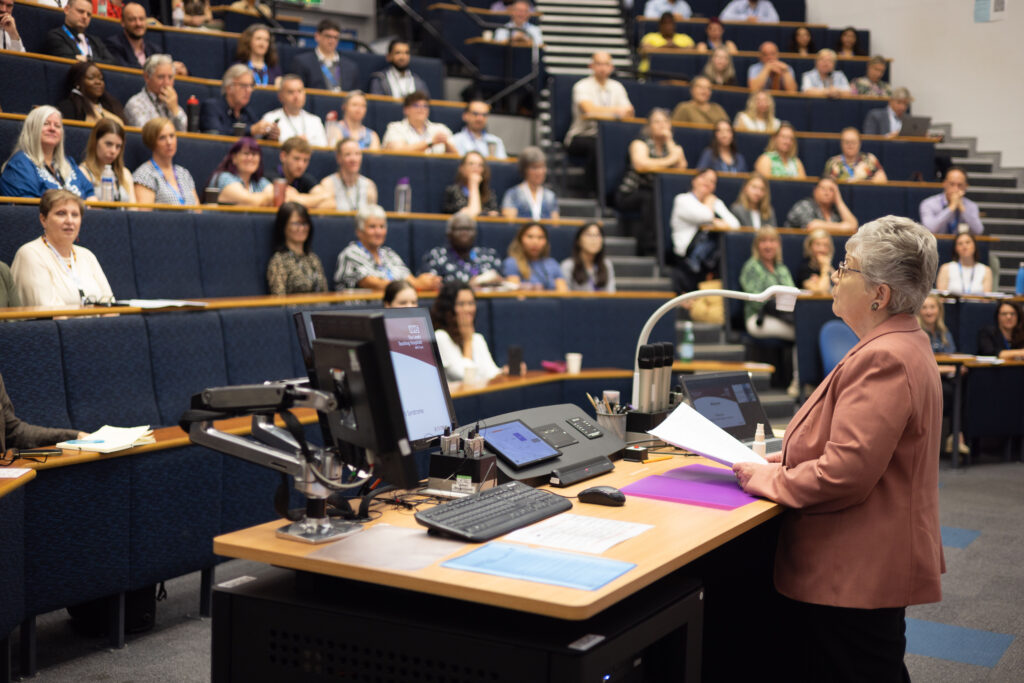
Despite having been on stage many times as a performer, Sue was a little anxious to speak at a clinical research conference, but found sharing her experience of Sjögren’s syndrome with the delegates very positive.
“It was quite amazing. I was very nervous, but actually once I started speaking, I found it very rewarding. I could tell a lot of medical people what it was like to cope as a singer with this disease…their response was wonderful.”
Sjögren’s is a rare autoimmune disease where the body’s natural immune response attacks organs like the salivary glands and tear ducts. This leads to dry eyes, mouth, aching muscles and joints, extreme tiredness, and difficulty swallowing.
Sue has had a long career, training at the Royal Academy of Music and winning the 1971 Gold Medal there, before becoming a soloist with the Royal Opera House and English National Opera.
She was also a founding chorus member of Opera North in Leeds, performing various roles with the company until her retirement in 2009. Since then, she has taught at the universities of Hull and Leeds, The Leeds Conservatoire, local schools, whilst also organising charity concerts.
Through these successes Sue faced challenges to her career caused by the condition, struggling with aches and pains, dry mouth and dry eyes.
“It wasn’t easy being a professional singer because there were so many problems and I didn’t know what was going on at the time because there wasn’t much awareness about the condition in my 20s and 30s.”
“I found it very hard to tolerate contact lenses which was a disaster being on stage as I could never see the conductor.”
“Bright lights were also quite a problem being on stage with all the heavy lights, and also television lights when I did television work.”
After being diagnosed in 2017 Sue has become involved in research into the condition. She has been participating in the NECESSITY trial, a phase 2 international trial at LTHT and six other centres in the UK sponsored by University College Cork.
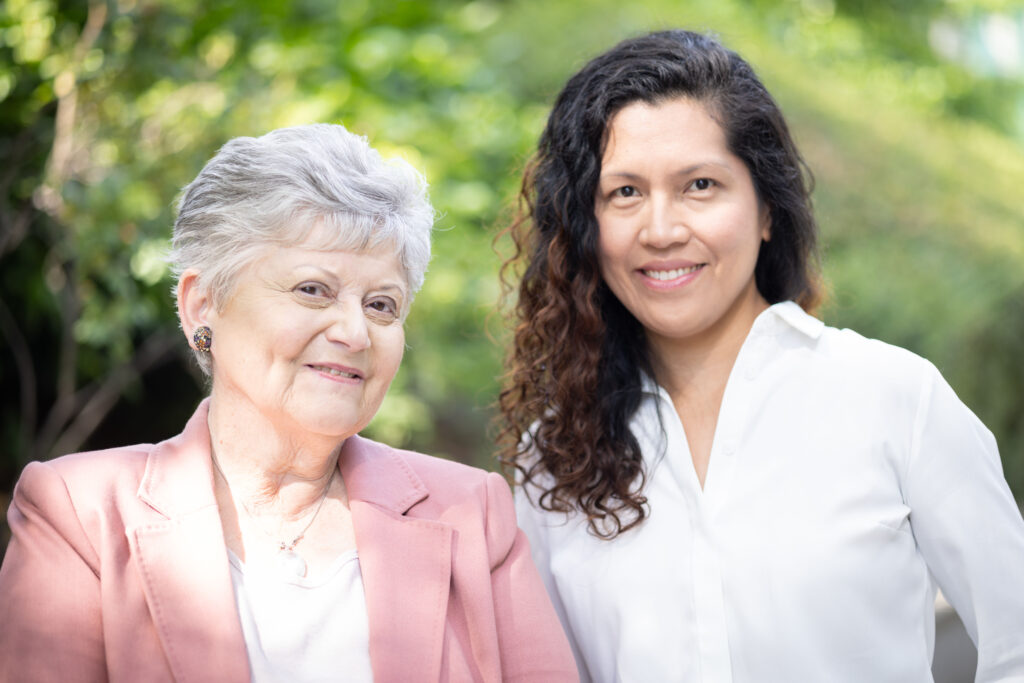
Sue has greatly enjoyed the opportunity to work with the team and potentially help people with Sjögren’s in the future:
“They’ve been absolutely fantastic, they really have! I can only praise them 100%, they’ve been with me through everything. When I have had any questions they’ve answered them straight away and they have tried to help with any problems.”
NECESSITY is testing combining hydroxychloroquine, a standard first line treatment for Sjögren’s, when combined with one of two other medications; leflunomide and mycophenolate to see if the medications can offer improved relief from symptoms.
Daffodil Pastor, Research Nurse has worked closely with Sue on the trial:
“Sue is a dedicated and passionate patient. She turns up at every visit with a smile on her face. She is reliable and very accommodating with what the study requires from her and really goes above and beyond. Her commitment is driven by the potential benefit this study may bring to the future generation.”
“The symptoms of Sjögren’s disease have affected her wellbeing significantly, but despite the challenges posed by the condition this hasn’t stopped her from living life to the full.”
As well as participating in the research Sue is now helping to organise a concert in Leeds to raise funds in support of Sjögren’s disease research.
“If there’s anything I can do to help I’m always there. If it helps any people, perhaps younger than me, then that would be fantastic. I am really glad I got involved.”