
How can promising digital health technologies move from an innovative idea to something that makes a meaningful difference to patients? That was the question at the heart of a Leeds Digital Festival event, Digital Health: what’s the point?, led by Leeds Teaching Hospitals NHS Trust.
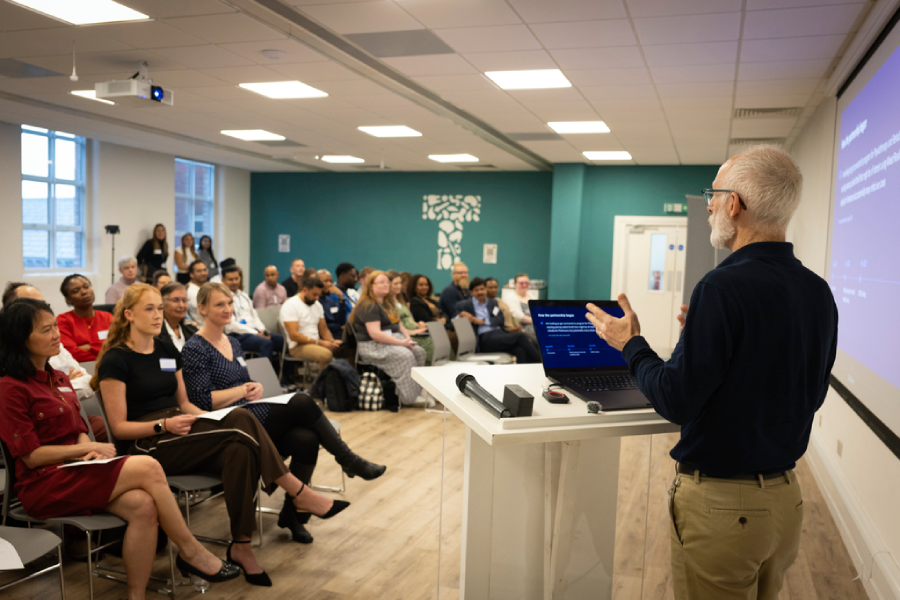
Almost 100 people from healthcare, industry and academia came together at Thackray Museum of Medicine for the event, delivered by the Trust in collaboration with digital rehabilitation company Strolll.
Against a backdrop charting the history of medical advancement, attendees explored what it takes to translate health innovation into real-world impact, and why patient need, partnership and robust evidence need to be at the centre of that journey.
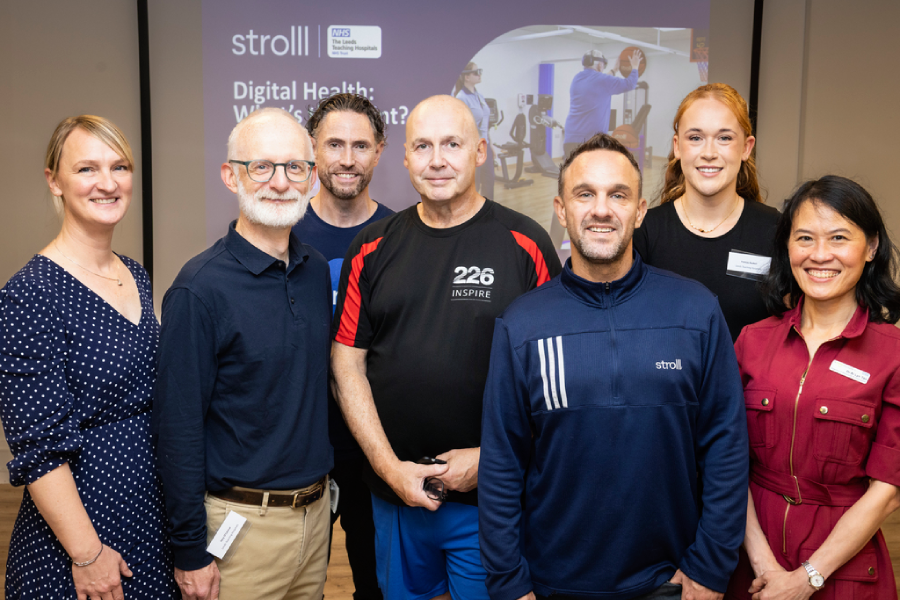
Opening the event, Dr Ai Lyn Tan, Medical Director for Research and Innovation at Leeds Teaching Hospitals, reflected on the Trust’s ambitions for research and innovation and challenged attendees to consider the purpose behind new technologies.
Dr Tan said: “Technology may be impressive, but unless it addresses a genuine need and can work safely, effectively and equitably in everyday life, it remains only a promising idea.
“The real test of digital health is not what the technology can do. It is what the technology enables people to do.”
She highlighted the key ingredients needed to move innovation from idea to impact: a genuine need, partnership with the right people, evidence of benefit, safety and usability, and the ability to adopt and scale solutions that work.
From patient need to real-world impact
Bringing that journey to life was the story of Strolll, a UK health technology company whose augmented reality platform is used by clinicians to deliver rehabilitation for people living with neurological conditions.
Professor Rory O’Connor, Charterhouse Professor of Rehabilitation Medicine at the University of Leeds’ School of Medicine and Lead Clinician for Rehabilitation at Leeds Teaching Hospitals, reflected on how the collaboration with Strolll began and how a shared focus on patient need has helped the technology progress through research and evaluation.
Strolll’s founder, Tom Finn, shared the story behind the technology. The idea began at home, on the kitchen floor, as Tom tried to help his dad, Nigel, with his walking. That idea is now a fully developed platform, purchased by NHS trusts and in routine use by physiotherapists and occupational therapists with people affected by stroke, brain injury, Parkinson’s, MND, FND and other neurological conditions.
Backed by NIHR funding, attendees also heard how the technology is now being evaluated through RESTART-PD, a University of Leeds-led study investigating whether augmented reality headsets can improve walking and balance for people with Parkinson’s compared with usual rehabilitation.
The study is being carried out in partnership with the National Demonstration Centre in Rehabilitation at Leeds Teaching Hospitals NHS Trust, the University of York, Devices for Dignity: The NIHR HealthTech Research Centre in Long Term Conditions, and Strolll.
Delivered by senior physiotherapists at the Trust, including Caroline Gill and Frances Nuttell, the trial is in active recruitment with more than 165 participants already taking part nationwide.
Professor O’Connor said: “This really is the ideal model for how health technology should be developed and adopted. It starts with a genuine clinical and patient need and brings together patients, clinicians, researchers and industry to develop a potential solution.”
Innovation developed with patients
Central to the discussion was the importance of involving patients throughout the innovation journey.
Philippe Evans, a father of three and grandfather of five who was diagnosed with Parkinson’s in 2023, shared his experience of his condition and is involvement in the in Strolll research and contributing his lived experience to the RESTART-PD trial.
He spoke about using the technology and how it can help address some of the symptoms he experiences, demonstrating why patients need to be active partners in the development and evaluation of new health technologies.
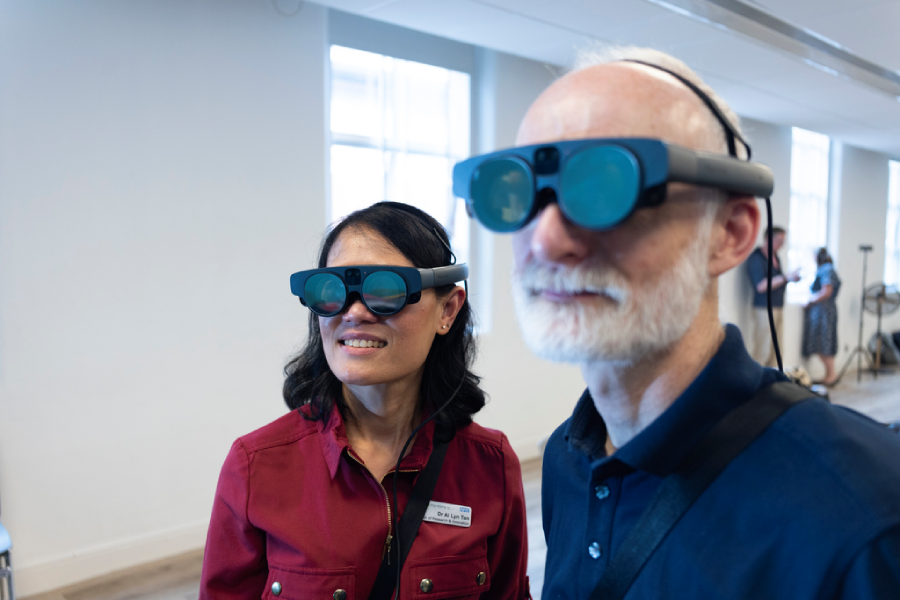
Attendees were also able to experience Strolll’s augmented reality technology first-hand and speak directly to researchers, clinicians and industry representatives involved in its development and evaluation, in an inspiring an engaging event.
Showcasing expertise at Leeds Digital Festival
The Digital Health: What’s the point? Event was organised by the Trust’s Innovation Pop Up which helps to connect clinicians and industry to advance health innovation.
The event formed part of Leeds Digital Festival 2026, the UK’s largest open tech festival which features more than 200 events bringing together the best of tech and digital across Leeds.
The festival provided an opportunity for Leeds Teaching Hospitals to demonstrate its contribution to the city’s growing digital and HealthTech ecosystem, from evaluating emerging technologies with patients to developing the digital workforce needed to support innovation.
Associate Director of Digital at Leeds Teaching Hospitals, Julia Lake also contributed to the festival, sharing insights from more than 30 years working in NHS digital roles at an event for people starting or developing careers in technology.
Drawing on her own career journey, Julia discussed building confidence, overcoming imposter syndrome and developing a professional profile, offering practical advice to students, graduates, career changers and others looking to develop a career in tech.
Together, the Trust’s contributions to the festival highlighted the breadth of digital expertise across Leeds Teaching Hospitals and a common ambition: ensuring that technology and innovation translate into meaningful benefits for patients.