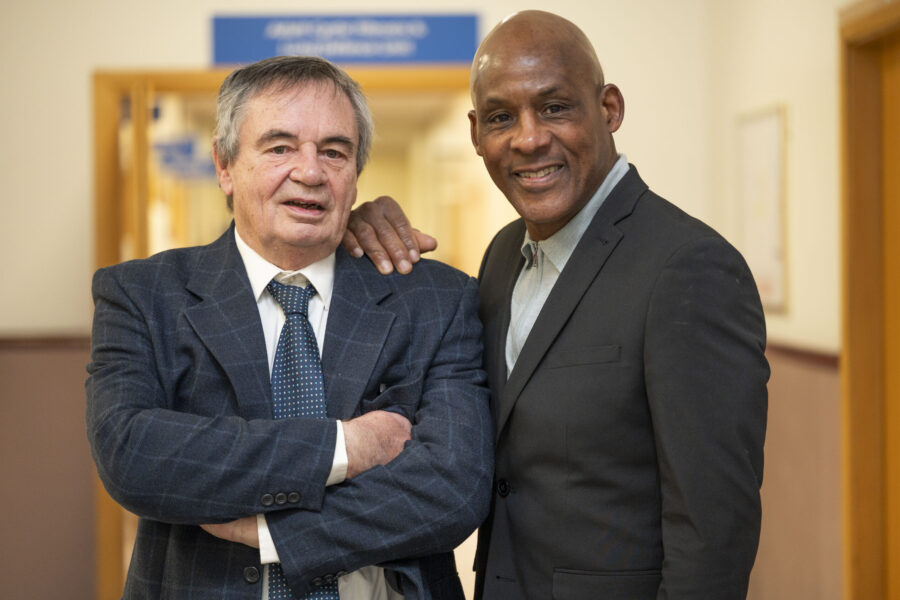
Nicknamed Mr Magic, Hanley played for England, Leeds, and other teams over a 19-year career in Rugby league between 1978 and 1997. He holds the record for winning the Man of Steel award three times, for being named best player of the Super League season. He was awarded an MBE in 1990 for services to the game.
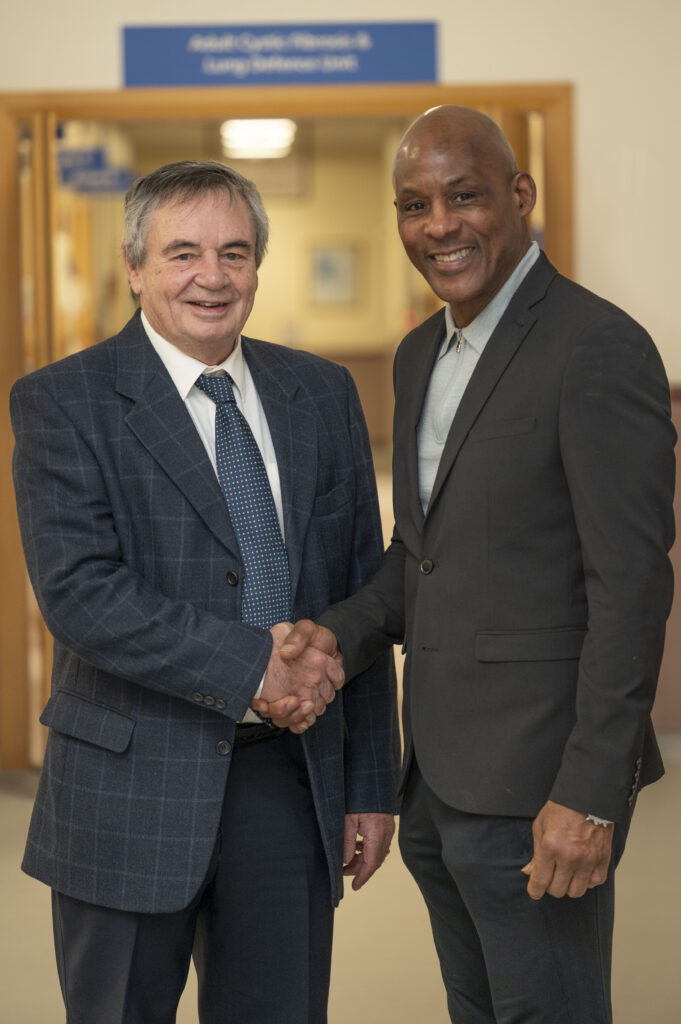
Mr Hanley, who turns 65 next year, responded to his invitation recently to be screened for an abdominal aortic aneurysm, and urged other men who receive the invitation from the Leeds Hospitals screening programme not to ignore it.
Mr Hanley said: “I’ve stayed in shape during my rugby career by looking after my health, but in later life it’s more important than ever. I attended my screening test for peace of mind. Men are five to six times more likely to suffer an aneurysm than women. It has no symptoms, and if left untreated, it can prove fatal. You might think – oh, it will never happen to me – but statistically it will happen to someone. The test is quick and easy and if anything is found, the team will make sure you’re monitored and taken care of.”
He added: “If you get your invitation for a scan – make sure you say yes and get checked.”
An abdominal aortic aneurysm is when the aorta – the main vessel taking blood away from the heart – swells abnormally. Left untreated, an aneurysm can continue to expand and result in a rupture – which often proves fatal. There are no symptoms of this heart condition, which means this hidden killer can strike without warning.
Men* are five to six times more likely to suffer an aneurysm than women, and the prevalence of aneurysms increases with age. Consequently, the screening check is routinely offered to men in the year they turn 65.
Rupture of an aneurysm and emergency surgery is associated with a high mortality rate whereas early detection, surveillance and planned treatment greatly reduces the risk to health from this condition.
The aim of the programme is to identify aneurysms at a small size with an ultrasound scan. If detected, a small aneurysm can be closely monitored. Patients who have a larger aneurysm will be referred to a vascular surgeon to consider treatment.
“If you get your invitation for a scan – make sure you say yes and get checked.” – Ellery Hanley
Mr Max Troxler, Clinical Director and Consultant Vascular Surgeon, said: “Fifteen years ago, as an on-call vascular consultant, men attending hospital as an emergency due to an aortic rupture were sadly all too common. Nowadays, you’re more likely to see around one per month. That turnaround is testament to the extraordinary success of this screening programme over the past decade. That doesn’t mean men approaching 65 should treat this as an unlikely threat to their health. For International Men’s Day, make sure you take up your invitation for screening.”
Abdominal Aortic Aneurysm (AAA) screening in Central Yorkshire is part of a national screening programme. Based at Seacroft Hospital, the service was launched in 2012 as a joint venture between Leeds Hospitals and the Mid Yorkshire Teaching NHS Trust. Up to March 2025, more than 80,000 men have been screened, with over 960 aneurysms detected.
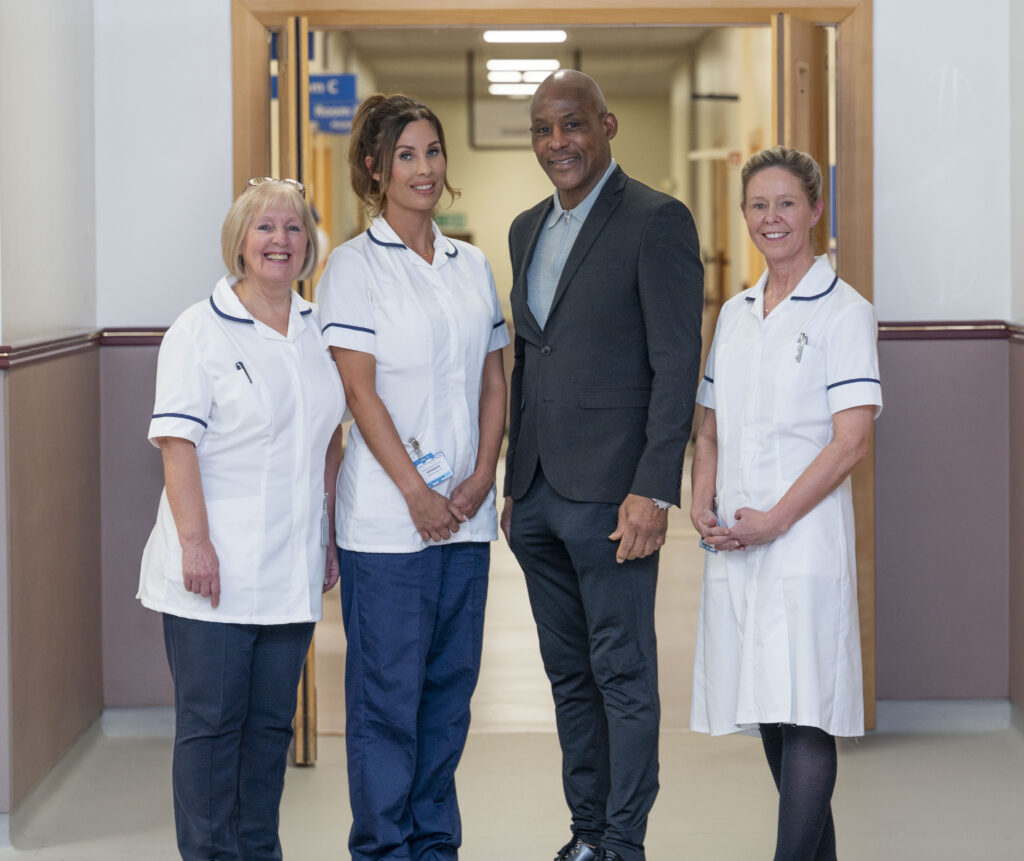
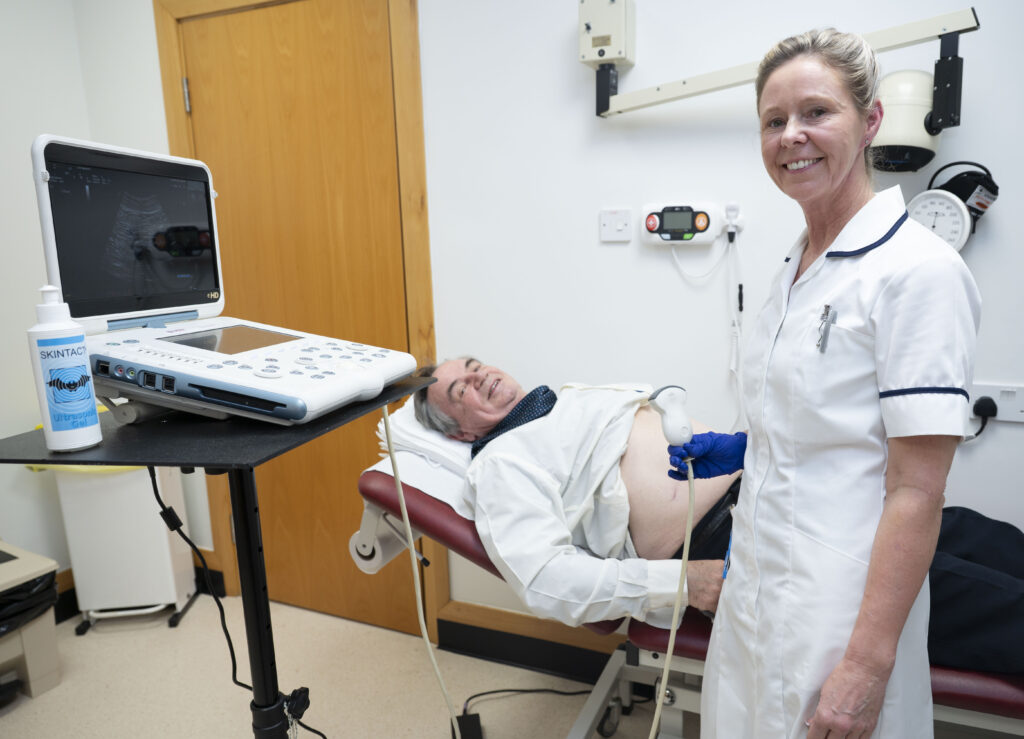
Darren Cole, AAA screening Programme Manager, said: “The screening test is a quick and painless experience, and is conducted by a skilled and knowledgeable screening technician using a portable ultrasound scanner. The whole appointment takes no more than 10 minutes, and we provide screening in over 140 different GP surgeries and seven hospital facilities throughout the Leeds and Wakefield areas. It’s partly this easy accessibility that means we have an excellent uptake of around 83%.”
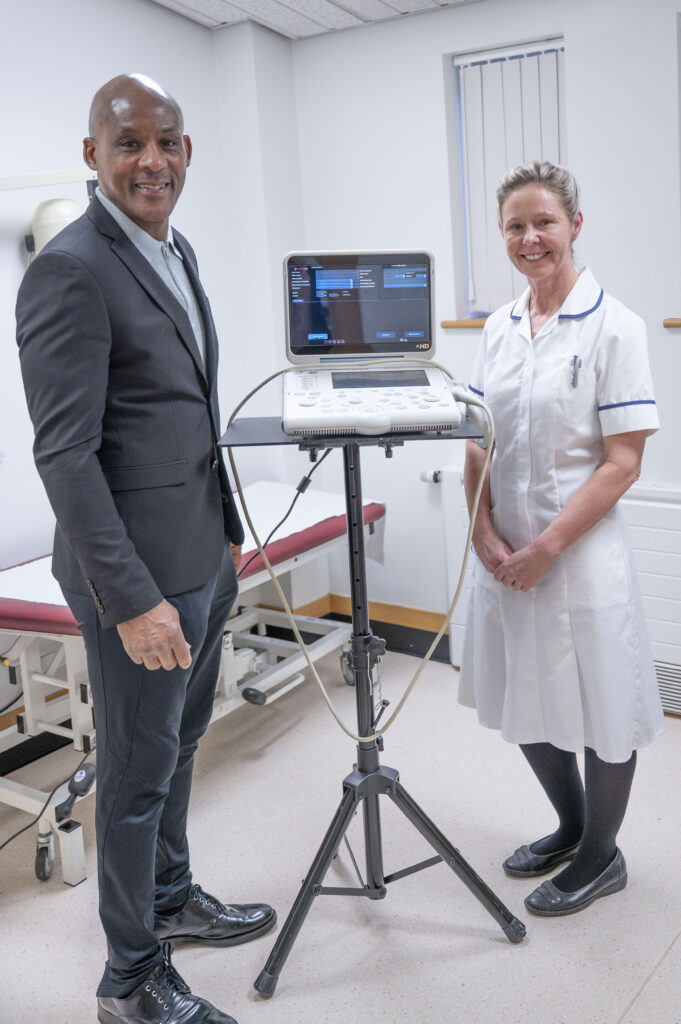
Alan’s story
Alan Alderson is 73, lives near Pontefract with his wife, and together they have two daughters.
Shortly before he turned 65, Alan received an invitation for a scan from the abdominal aortic aneurysm screening programme for Central Yorkshire. He went along to the 10-minute appointment, never expecting anything to come from it, but something was found.
A small aneurysm measuring 3.9cm was detected on his aorta. The screening technician assured him it was nothing to be immediately concerned about, and they monitored the aneurysm with annual scans for the next few years.
Then it grew to 4.5cm, and the team increased the monitoring to every three months.
“They warned me I would have to have surgery,” recalls Alan. “They gave me the option of a stent graft through keyhole surgery – after which I’d still need monitoring – or major open surgery – which would fix the problem, but I’d have to be fit and healthy enough to undergo it. For me, it was a simple decision: I wanted it gone for good. But it meant I had a lot of work ahead of me to get into shape. So I sprang into action.”
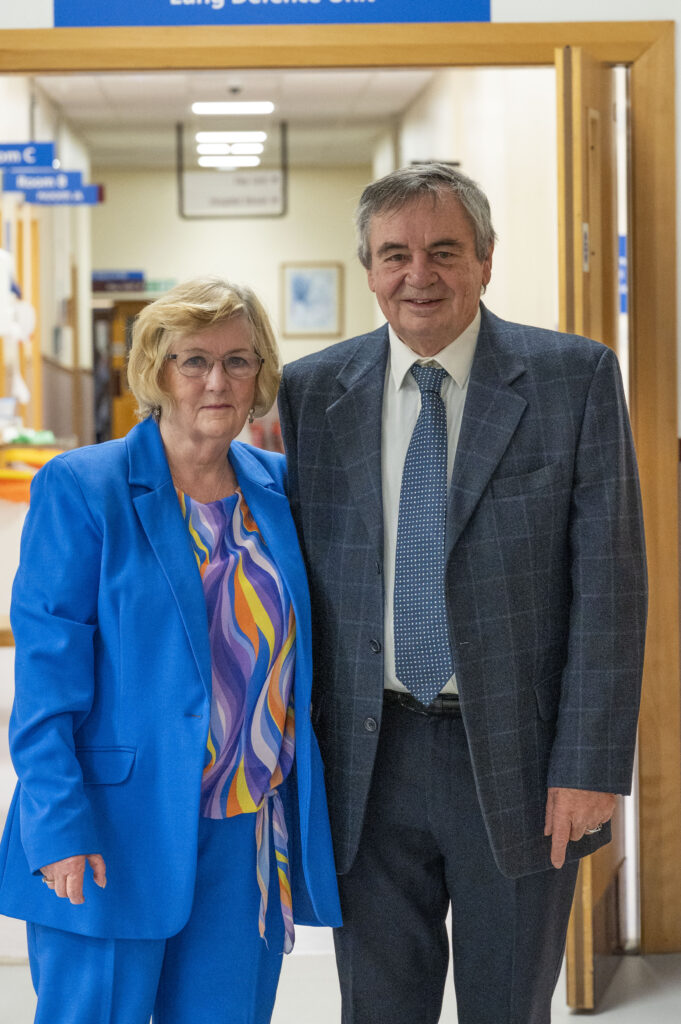
Alan wasn’t in the best shape and had only given up smoking relatively recently. He was determined to get himself to a good level of fitness for his major surgery, and started taking regular exercise, setting himself a target of walking at least two miles every day. He went on a calorie counting diet and cut back on fatty foods.
“The weight fell off me,” said Alan, who lost 3 stone through his own exercise regime.
He added: “The screening team were with me every step of the way. I joined a patient meeting at Seacroft Hospital where a former patient who had already been through it all told us how things would happen and what we could expect.”
Just over a year ago, the aneurysm grew again, this time reaching the 5.5cm threshold where surgical intervention is required. The screening team acted promptly, referring Alan to the vascular surgery team at Leeds Hospitals where he underwent pre-surgical assessment. It was time – but Alan was ready.
Thanks to his exercise and health regime, Alan was admitted for surgery without delay. The surgery was a complete success. In fact, Alan was in, out and recovered faster than anyone had expected him to.
“If you get the invitation, give them a call and get booked in. If you think you’ve missed it, get in touch – it’s not too late, and you never know what they might find. I didn’t – but I’m glad I did.” – Alan Alderson
“I was told I’d be in hospital for 10 days and recovery would last six months,” recalled Alan. “As it turned out, I was in for only three days and recovered in less than a month. They said I was one of the fastest patients to do so!”
Now, a year since his operation, Alan is living life to the full, grateful that he responded to the invitation for the scan he received seven years ago.
“I can only stress the importance of this programme in how it’s changed my life. Who knows what would have happened if I’d ignored that invitation for the scan. There are no symptoms, but if it bursts, you’re a goner. I tell all my mates – make sure you get checked.”
He added: “If you get the invitation, give them a call and get booked in. If you think you’ve missed it, get in touch – it’s not too late, and you never know what they might find. I didn’t – but I’m glad I did.”
How do I get screened?
Men in their 65th year are routinely contacted by the screening programme and offered an appointment. The screening programme is provided with details of men registered at GP practices with Leeds and Wakefield postcodes and also Bradford BD11 and BD19 postcodes.
Older men who have not been screened before and who are registered with a GP in these areas can self-refer by contacting the screening programme office: 0113 20 63640 or [email protected]
Younger men with a family history of abdominal aortic aneurysms may be invited earlier for screening.
Find out more about AAA screeningGeneral men’s health advice:
- If you are a smoker, seek help to try to cut down or stop.
- Make sure your blood pressure is normal. If you have not had it checked recently, it is worth getting it checked.
- Eat a healthy, balanced diet and cut down on fatty food.
- If you are overweight, try to lose weight.
- Take regular exercise.
- If you drink alcohol, keep within sensible limits.
*Biological males, including men who have transitioned to women.