
What to expect from your appointment
This leaflet explains why you have been invited, how this appointment fits into your care, and what may happen on the day.
It is normal to feel worried at this stage. This appointment is about understanding what is going on and deciding what, if anything, needs to happen next.
Why you have been invited
You have been offered this appointment because:
- Your PSA blood test was higher than expected, or
- You have symptoms that need further checking.
For most men, this does not mean cancer.
This clinic brings tests and specialist review together so decisions can be made without long waits between appointments.
This information is being shared before your appointment so you have time to understand what may happen and prepare any questions.
What will happen on the day
You may be at the clinic for several hours, with some waiting time. During the day, you will have:
- An MRI scan of your prostate.
- Specialist review of the scan.
- A conversation about what the scan shows.
- A discussion about what will happen next.
You are welcome to bring someone with you for support.
Why am I having a prostate MRI scan?
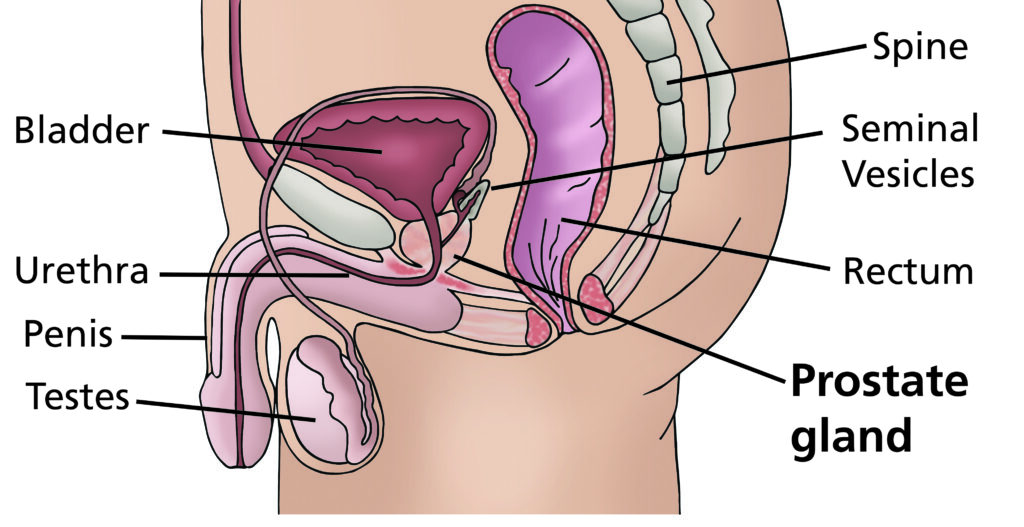
You will be having an MRI scan of your prostate. The MRI scan takes detailed pictures of the prostate, a small gland in men, just below the bladder.
Many people feel anxious about MRI scans. This is common. Staff will explain what to expect and you can ask questions at any point. Please let the team know if you feel claustrophobic or worried, they are used to helping with this.
The scan helps us look for any signs of prostate cancer or other problems.
This leaflet explains how your scan is reviewed, how Lucida Pi™ supports us in looking at your scan images, and what may happen next.
The prostate is a gland around the size of the walnut that sits beneath the bladder.
How your scan is reviewed
At our hospital we use a computer tool called Lucida Pi to help us look at prostate MRI scans.
- It is a type of artificial intelligence (AI).
- It looks at the pictures from your scan and highlights areas that may look unusual.
- It is used to support, not replace, the radiologist (a specialist doctor who reads MRI scans).
What happens after the scan?
1. Lucida Pi checks your scan
- The computer marks any areas that it thinks may need a closer look.
2. The radiologist reviews everything
- They look carefully at your scan, the Lucida Pi results, and your PSA result.
- They then decide if your risk of prostate cancer seems higher or low at this time.
Possible outcomes
1. If your risk of prostate cancer is higher
If the radiologist thinks there is a higher chance of prostate cancer, we may recommend a prostate biopsy. A biopsy means:
- A thin needle is used to take small samples of tissue from your prostate.
- These samples are examined under a microscope to check for cancer.
Before the biopsy you will have the chance to:
- Hear why a biopsy is being recommended.
- Ask questions.
- Talk about the benefits and risks before you decide what to do.
Please note:
If you are attending a one-stop clinic, a biopsy may be offered on the same day. This can mean spending most of the day in hospital.
2. If your risk of prostate cancer is low
If your scan does not show any worrying changes and your overall risk is low, we will not recommend a biopsy at this stage.
You will receive clear advice about future PSA blood tests and follow-up. Your GP and/or hospital team may continue monitoring your prostate health.
No test is perfect. A reassuring MRI greatly reduces the chance of significant prostate cancer, but it does not rule it out completely. This is why ongoing monitoring is important.
3. If Lucida Pi™ and the radiologist do not fully agree
Sometimes Lucida Pi™ may mark an area as suspicious, but the radiologist may feel it is unlikely to be cancer after carefully reviewing the images.
If this happens, your scan will be reviewed by a second radiologist (a second opinion). This extra check is part of our safety process to help ensure nothing important is missed.
After the second opinion, we will either recommend a biopsy or continue with PSA monitoring. In either case, we will explain the decision and what it means for you.
Who makes the final decision?
A radiologist (a specialist doctor who reads scans) always makes the final decision. They will:
- Carefully review your MRI images.
- Look at any areas of interest highlighted by Lucida Pi.
- Consider your PSA blood test, your medical history and symptoms.
Please note:
The radiologist, not the computer, makes the final decision about your level of risk and what should happen next.
Important things to consider
- It is likely that you will be in hospital for up to 6 hours on the day of your tests.
- Please make sure you have breakfast on the day, and bring some food and drink with you.
- As this project is part of a pilot to shape our future services, we may ask you to fill in some feedback forms about your experience.
- Although we will be collecting data about you, any data collected will be anonymised, and only stored at your local hospital.
Your questions and choices
Any biopsy or follow-up plan is your choice. Nothing happens without your consent and agreement.
You are encouraged to:
- Ask questions at any point.
- Bring a partner, family member or friend.
- Tell us if anything is unclear or worrying.
What happens after the appointment
Before you leave, you should be told:
- How you will receive results.
- Roughly when to expect them.
- Who to contact if you have questions while waiting.
We are here to support you
If anything in this leaflet is unclear, please ask a member of our team to go through it with you.
If you need more support
It is normal to feel anxious at this stage. If you need support, speak to the clinic team or ask about nursing and support services.
If you have questions about your scan or next steps, please contact:
Urology team / Clinical Nurse Specialist


Radiology department
For emotional or practical support
Macmillan Cancer Support
Prostate Cancer UK
Telephone: 0800 074 8383
About your information
To use Lucida Pi™, some information from your scan and related tests may be processed through secure NHS systems. This may include your MRI scan, PSA results, biopsy results (if taken), and treatment information.
This information is used to support your care and for quality assurance, to ensure the software is working safely.
Your data is handled securely. Lucida Pi™ does not change your images and does not make a diagnosis.