

This leaflet is for children who will be having an Alveolar Bone Graft operation. It provides information on:
1. Why the operation is required.
2. What to expect around the operation.
3. What they need to do after the operation.
The information is provided in a question and answer format.
What does it mean?
- Alveolar is the medical word for gum area that holds the teeth.
- Bone is put into your gum.
- Graft is when something is taken from one bit of the body to another.
Why do I need an Alveolar Bone Graft (ABG)?
One of the jobs of your gum is to hold your teeth in the right place. For some children who were born with a cleft lip and/or palate there may be a gap in the gum. This means the gum cannot hold on to teeth properly and they might become loose. One way of fixing the gap is to have an alveolar bone graft.
When will I have the operation?
The timing of the operation depends on the development of your second teeth, and is often around 9 -11 years.
The best time will be decided by the surgeon (who does the operation) and the orthodontist (who changes the position of teeth using braces).
What happens when I have my operation?
During your operation the surgeon will make a small pocket in the upper gum, where the gap is. A small amount of bone from the hip area is used it to fill this gap. The area is carefully closed with stitches to help the bone graft stay in place.
Although you are asleep during the operation, the whole thing takes about 2 hours. There may be some swelling on your cheek, but this settles after a few days.
What happens before the ABG?
For most children the gap in the gum has to be made bigger to make room for the bone to go into it.
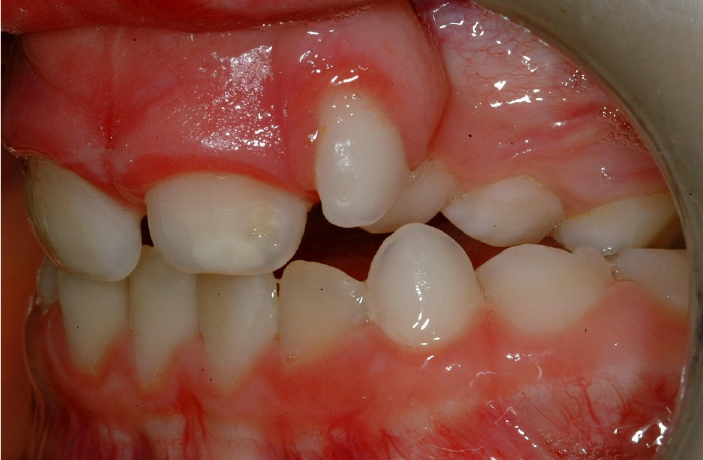
The orthodontist will use a kind of brace to gently open the gap. It can take a few months to get the gap big enough, sometimes up to a year or longer.
The braces can trap food, and make it more difficult to clean your teeth properly. During this time it is important to keep your teeth really clean. Use a small-headed toothbrush with adult toothpaste. You should avoid sweet, sticky foods and sugary and fizzy drinks.
When the gap is big enough a smaller brace will be fitted to hold your teeth in position for the operation.
Does the operation work?
Yes. In a high proportion of cases the operation is successful (over 9 out of 10). It is unusual to have problems with healing, especially if you look after the area and keep it clean.
What happens when I have my operation?
When it is time for your operation, the Anaesthetist will give you some medicine to put you deeply asleep.
This is usually given to you through a tiny tube into the back of your hand. Magic cream is used on the skin of your hand so that you feel very little when the tube is placed.

When you wake up again the operation will be finished and your parents will be with you. There will be some stitches in your mouth and your hip will have a thin plastic tube going into it. Medicine can be put straight into this tube so your hip does not hurt.
You will also have some medicine to drink so that your mouth does not hurt. The tube is usually taken out after a day or two.
You can have a drink when you are back in bed on the ward and when ready you can start to eat soft foods. Most children stay in bed for the first day after the operation then begin to start to move around the next day.
Can I brush my teeth?
Yes, it is best to have a soft tufted toothbrush with adult toothpaste to clean the teeth on each side of the stitches. You will be given some mouthwash to be used in the hospital and at home. This is swilled around your mouth and stitches to keep it all very clean.
The stitches in your mouth will slowly dissolve over a few weeks, try not to blow your nose really hard for four weeks, so the healing gum area is not disturbed. The stitch in your hip will also slowly dissolve over a few weeks.
What kind of foods can I eat?
To promote healing a soft diet followed by a drink of water should be eaten for four weeks after the operation. You should avoid hard foods such as toast; crisps; biscuits; chips and hard foods. It is better to drink from a cup, and not to use a straw or sports bottle for four weeks.
What about school and sports?
You can go back to school a week after leaving hospital. Do not do any physical or contact sports such as rugby, football or gymnastics for about eight weeks.
After the operation the specialist nurse will contact you at home to check everything is healing, and you will be seen back in clinic by cleft team, and also with the orthodontist. An x-ray of the gum area is usually taken six months after the operation.
What if I have some questions or feel nervous about treatment or an operation?
Sometimes it can be difficult to decide about whether to have an operation or other kinds of treatment. People have lots of different reasons why they feel uncertain. Sometimes it is because they are not sure what is being offered, or they might feel uncertain about how the treatment might help, what might happen or how they might cope.
Sometimes children feel nervous about hospital treatment and operations – this can be for lots of different reasons. One of the reasons might be about having to have braces. Another reason might be about being in hospital or staying away from home, family or friends. Some children feel unsure about having an anaesthetic or needles.
Having worries or feeling a bit unsure is very common and everyone feels nervous to some extent, even adults!
What could I do to help myself feel better?
Here are some handy hints that you could try to help yourself feel better about coming into hospital.
Sometimes children prefer to visit the ward before they come in for the operation. When you come into hospital, you might like to bring your favourite toys, photos, books and comics from home. There will also be lots of opportunity to watch TV or play games on the ward. You could ask your favourite people to come and visit you too.
If you feel that you may not want to have the operation, or are very worried about a certain part of the operation, it may help to talk to one of the Clinical Psychologists who work in the Cleft Team. They work with lots of children who are worried about coming into hospital or having operations. They can help you to think through your worries and give you tips on how to manage some of them.
How do I get to see one of the psychologists?
If you would like to see one of the Clinical Psychologists, then you could ask your mum or dad, or someone else who looks after you, to telephone the Cleft Team Co-ordinator. Or you could ask the team yourself next time you are at the hospital.
Compliments and complaints
We welcome feedback on our service. This can be sent directly to your team or problems can be raised through PALS (Patient Advice and Liaison Service). PALS is led by matrons and managers, who aim to sort out problems as quickly as possible.
You can contact PALS via the hospital switchboard.
Contact us
Cleft Team Coordinator
Monday to Friday 9am to 4pm.