
What is Venous Thromboembolism (VTE)?
There are two types of VTE:
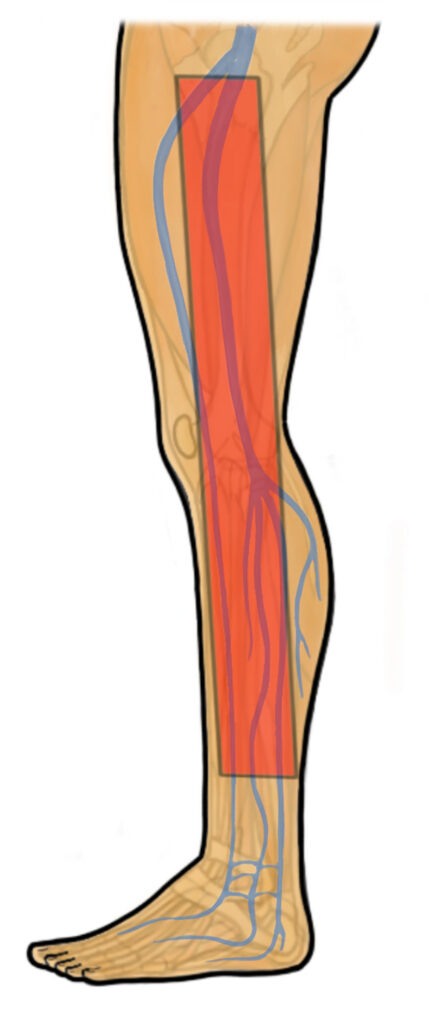
- Deep Vein Thrombosis (DVT): a DVT is a blood clot (also known as a thrombosis) that forms in a deep vein, most commonly in the legs or pelvis.
- Pulmonary Embolism (PE): if all or part of the DVT breaks free and passes through your blood vessels, it can reach your lungs. This is called a PE.
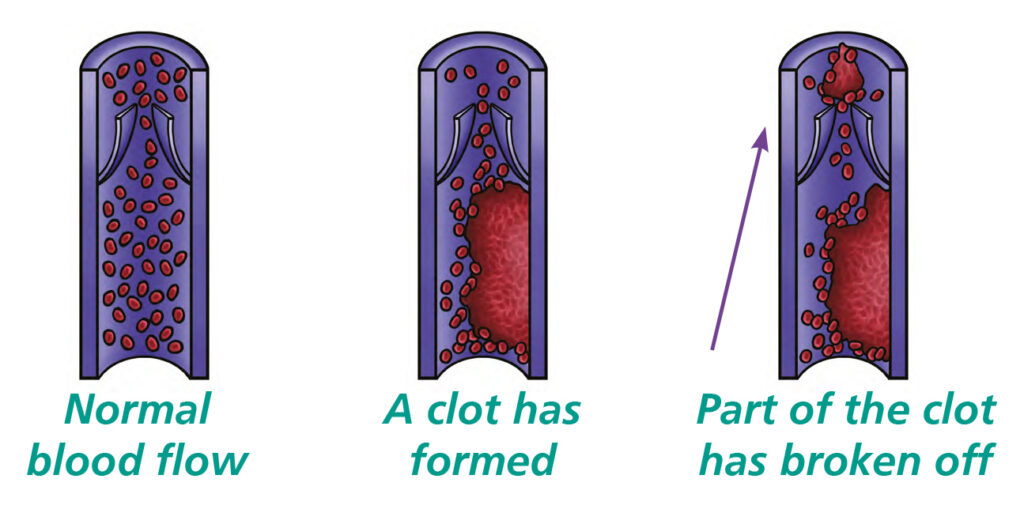
Signs and symptoms of VTE
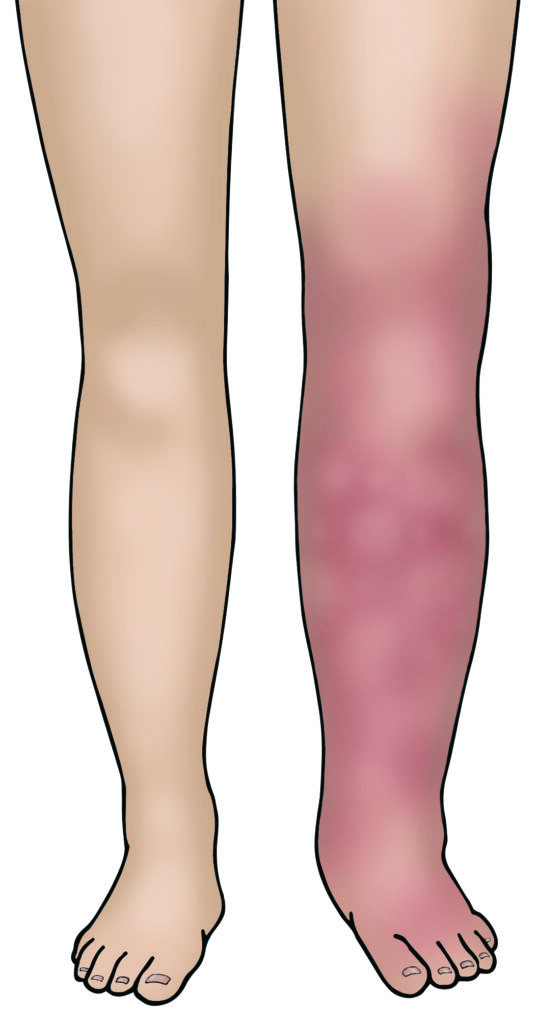
- DVT – Symptoms can include leg swelling, redness/discolouration, warmth and tenderness/pain that may be worse when standing or walking.
- PE – Symptoms can include chest pain, breathlessness, blood stained phlegm, feeling very unwell and/or collapsing.
VTEs often occur in people who are moving around less than they usually do. This can occur during an admission to hospital.
Important
Call 999 or attend emergency department if you develop severe symptoms.
Are VTE’s serious?
Yes DVT’s are serious because they can result in long term complications such as permanently swollen/discoloured legs, varicose veins and leg ulcers (known as post thrombotic syndrome). Also part or all of the DVT can break off. If this happens it will travel through your blood vessels and can reach your lungs, this is known as a PE. This is potentially life threatening.
What is the treatment for VTE?
If your doctor has confirmed that you have a VTE, you will be advised to start anticoagulant treatment. Anticoagulants reduce blood clotting (this is sometimes referred to as ‘thinning the blood’).
You will either be started on:
- Direct oral anticoagulant tablets such as rivaroxaban, apixaban, edoxaban or dabigatran – also known as DOACs
- Low molecular weight heparin injections with warfarin tablets then warfarin tablets alone
- Low molecular weight injections long term
- You might also receive support stockings.
The benefits of anticoagulants are:
- They prevent the clot getting bigger so your body can gradually dissolve the clot
- They reduce the risk of another VTE developing
- They reduce the risk of long-term complications.
What does anticoagulant treatment involve?
Direct oral anticoagulants such as rivaroxaban, apixaban, dabigatran and edoxaban are tablets which need to be taken regularly once or twice a day and do not need regular monitoring.
Low molecular weight heparin injections are given under the skin at approximately the same time every day. You (or a family member) will be shown how to give the injections. You will be given a supply of syringes which contain the heparin and advice on how to store and dispose of them.
Please note
Low molecular weight heparin is derived from pork, if you have any questions or concerns about this please speak to your nurse, pharmacist or doctor.
Warfarin takes several days to ‘thin’ the blood and the dose required varies. You will also need low molecular weight heparin injections until your blood is ‘thin’ enough. Warfarin is often affected by diet, alcohol and other medications. If you are prescribed warfarin you will need regular blood tests to monitor the clotting levels of your blood.
Do the drugs have any side effects?
The tablets and injections can lead to an increased risk of bleeding. Severe bleeding is rare but minor bruises especially at injection sites, small nose bleeds and increased menstrual flow are common.
If bleeding does occur (nosebleeds, gum bleeds and lasts for more than 10 minutes or you see blood in your urine or faeces, get a sudden severe headache or large raised bruises you should contact a nurse or doctor immediately.
Some people will have an allergic reaction, usually a rash. If you notice a rash tell your doctor so the type of anticoagulant can be changed.
How long will I need to take anticoagulants for?
The minimum treatment time is three months and you may need to continue for longer. This depends on whether a cause was found for the clot.
If you are discharged from hospital after having a blood clot check that your GP is aware of the medication that you have been sent home with and that they will continue to prescribe it for you. It is important that you continue the medication until you are reviewed at three months.
Can I stop taking blood thinners if feel completely fine?
- No. Stopping your medications early or altering the doses without medical approval can lead to treatment failure and further blood clots.
What if I miss a dose?
- Follow the specific instructions provided with your medication
- Do not take a double dose
- Contact your specialist team for advice if you miss a dose.
What follow up will I receive?
Your doctors will refer you to the VTE or PE clinic for follow up around three months after your blood clot. The duration of your anticoagulant treatment will be discussed with you and decided on then, depending on the cause of your blood clot and any other risk factors identified.
It is important that you attend this clinic appointment so that your anticoagulation treatment can be safely managed and we can reduce your risk of any further VTE events.
If you don’t receive an appointment please contact your GP and ask them to arrange one for you.
Am I likely to develop VTEs in the future?
Patients who have had a DVT or PE have a greater risk of developing another blood clot in the future. It is therefore important to report signs or symptoms of DVT or PE to a doctor/nurse as soon as you notice them.
Although symptoms are usually relatively sudden in onset occasionally repeated small pulmonary emboli can cause progressive breathlessness developing over time; if you are getting more breathless than would be expected for your age, level of fitness etc see your doctor.
How can I reduce my risk of developing a VTE in the future?
- Avoid prolonged periods of immobility such as sitting in your chair for many hours, if you are sitting for long periods get up and walk around regularly.
- Take regular exercise, for example walk for 30 minutes a day.
- Stop smoking if you are a smoker.
- Try to maintain a weight that is appropriate for your height.
- If you use hormone-based treatments such as the combined oral contraceptive pill or hormone replacement therapy (HRT), please discuss this with your healthcare professional. First degree female relatives (mother, sister, daughter) should also discuss their use of hormonal treatments with their General Practitioner.
- Keep yourself well hydrated and eat a balanced diet.
Important
If you are unwell and are admitted to hospital tell the doctors/nurses that you have had a DVT/PE previously. You should also inform them if you are having surgery or fracture your pelvis/lower limb and are unable to weight bear. The doctors can then prescribe some heparin injections or low dose DOAC to reduce your risk of developing a VTE.
Am I at increased risk of VTE if I go on a long distance journey?
Long journeys (more than four hours) by plane, train etc are thought to slightly increase the risk of DVT. This may be due to immobility and being cramped for long periods of time. Other factors that may play a part when flying include reduced cabin pressure and oxygen levels in the plane and slight dehydration.
The increased risk of DVT from travel is small; however it is wise to try and reduce the risk.
When can I travel after being diagnosed with a DVT
or PE?
- Usually air travel should be delayed for 2-4 weeks after a diagnosis of DVT or pulmonary embolism (PE). However you must be stably established on anticoagulant medication and have medical clearance from your GP or specialist before travel.
How can I reduce my risk of VTE when travelling?
- Get up and move around as often as you can.
- When sitting do some gentle leg exercises, move your ankles around and go up and down on your tiptoes.
- Drink plenty of water.
- Avoid alcohol and drink tea and coffee in moderation as they can dehydrate you.
- Avoid sitting with your legs crossed and wear loose fitting clothing.
- Consider wearing anti-embolism stockings if you are travelling for more than four hours.
Are there any other issues?
In a small proportion of patients a VTE event may actually be due to another illness. Your doctor will describe this in more detail, but you should mention to your doctors if you develop any unexplained symptoms, or lose weight unexpectedly.
Important
Always inform every healthcare provider about your blood clots history before any surgery, dental procedure and hospital stay.
Where can I get more information?
NHS 111 service
Please call 111.
