

What is Croup?
Croup is a childhood condition that affects the windpipe (trachea), the airways to the lungs (the bronchi) and the voice box (larynx).
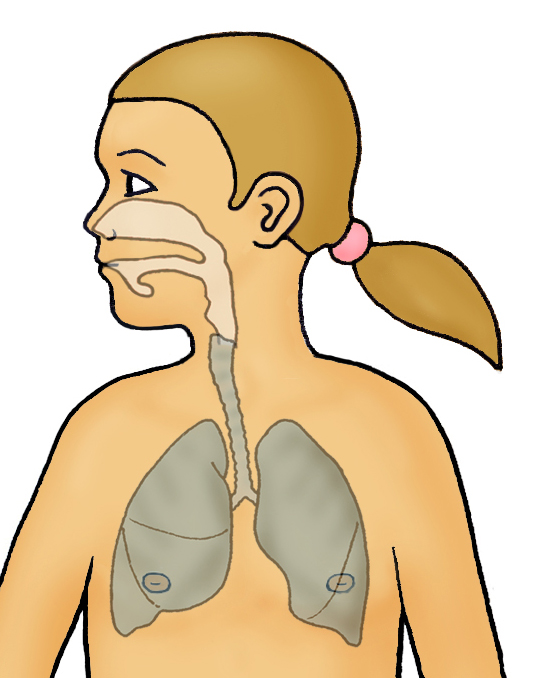
A child with croup has a distinctive barking cough and will make a harsh sound, known as stridor, when they breathe in.
A blocked airway can also cause a hoarse voice and breathing difficulties.
What causes croup?
Commonly, croup is caused by a viral infection. In 80% of cases, a virus called para-influenza virus is responsible. In some cases, croup may be caused by an allergic reaction.
There are two types of croup:
Viral croup (laryngotracheitis): this develops over several days and is caused by an infection.
Spasmodic croup: this involves repeated, short-lasting episodes of croup that can be caused by an allergic reaction.
The same treatments are recommended for both viral croup and spasmodic croup.
Who is affected?
Croup usually affects young children aged between six months and three years. It most commonly affects children who are 2 years-of-age. Though rare after 6 years, croup can sometimes develop in older children up to 15 years of age.
Croup is relatively common. Each year approximately 3 in 100 children will suffer from croup. The condition is more common during the late autumn and early winter months. It tends to affect more boys than girls. Some children will experience croup more than once during their childhood.
Diagnosis and/or tests
Further tests and investigations are not usually required. A diagnosis of croup is normally made from the typical signs and symptoms mentioned above.
How is croup treated?
Most cases of croup are mild and get better on their own, without the need for treatment. Sitting your child upright and comforting them if they are distressed is important, because crying may make symptoms worse.
Your child should also drink plenty of fluids to prevent dehydration.
More severe cases of croup may need to be treated with a steroid medication, which can be given inhaled or by mouth. This treatment is safe to use in children and does not harm their growth.
In the past people recommended exposure to ‘mist’ or ‘steam’ as a form of treatment. Research evidence now shows this to be of no benefit and it is no longer recommended.
How long does croup last?
Around 60% of croup cases will improve within 48 hours. However, in some cases symptoms can last for up to two weeks.
Preventing Croup
Croup is spread in a similar way to the common cold, so it is difficult to prevent. Good hygiene is the main defence against croup, such as regularly washing hands and cleaning surfaces.
A number of your child’s routine vaccinations also protect against some of the infections that can cause croup. These include:
- MMR, protection from measles, mumps and rubella;
- DTaP/IPV/Hib, protection from diphtheria, whooping cough, polio and Haemophilus Influenzae Type B.
What if I am still worried?
If you are worried about your child’s progress, contact NHS 111 or seek advice from your GP or hospital.
Specifically, you should take your child to see your GP or seek further advice if:
- They are taking less than half of their normal number or volume of feeds;
- They have less than half their normal number of wet nappies in a day.
You should seek urgent medical attention if:
They are unusually sleepy.
They are drooling and unable to swallow.
They have very severe difficulties in breathing.
They have a blue tinge or very pale skin.