
You have received this information to help you understand your options for freezing your eggs or ovary, to keep your options open if you wish to have a baby in the future.
What is fertility?
Fertility is the ability to have children. You will be able to get pregnant naturally after your periods have started. This is the sign that the ovaries have started to release their eggs. You have two ovaries which contain millions of eggs. All the eggs you will ever have are in the ovaries from birth. The number reduces as you get older. Poor lifestyle factors can speed up the rate that eggs are lost and can affect their quality or capacity to give rise to a healthy baby. By the age of 35 years, 80% of the eggs you were born with have gone. By the age of about 50 years, they have effectively all gone. Periods will stop and hormone levels change. This is known as the menopause.
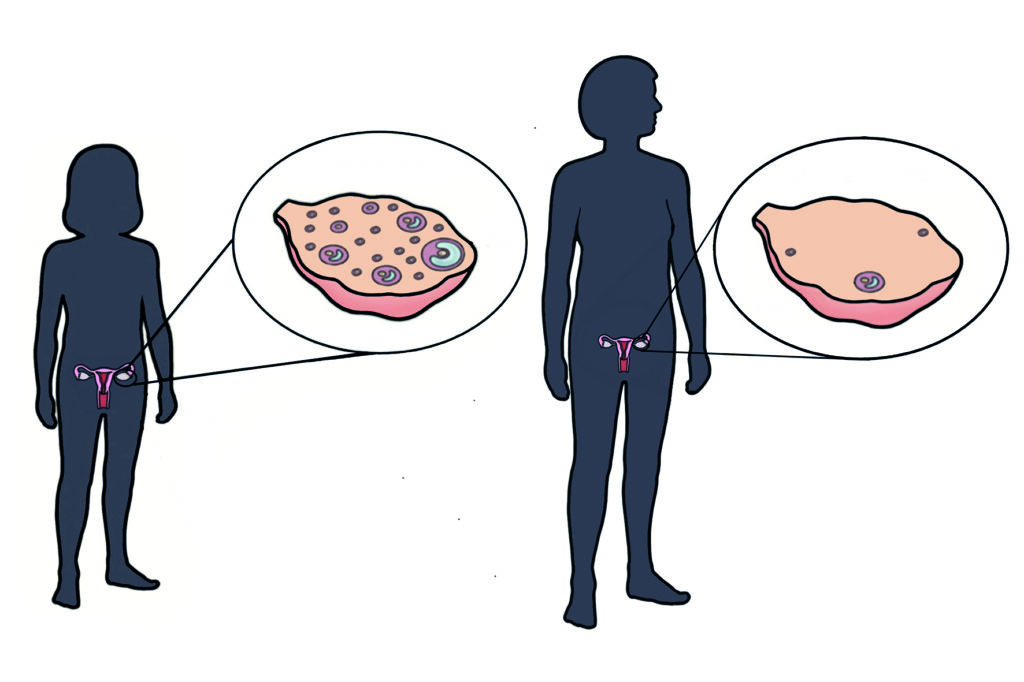
What is fertility preservation?
It is not possible to predict who will have problems having a baby. About 1 in 6 couples ends up seeking some form of help. The majority will conceive naturally, without difficulty.
The fertility clinic can offer you treatments to try to protect your chances of getting pregnant and having a baby in the future.
How is it done?
Freezing individual mature eggs
After you have gone through puberty your hormones make the ovaries release eggs. One egg is developed per month and when it is not fertilised, the period comes.
It is possible to make the ovary produce 10-15 eggs at the same time with extra hormone treatment. This is the same process used in IVF treatment.
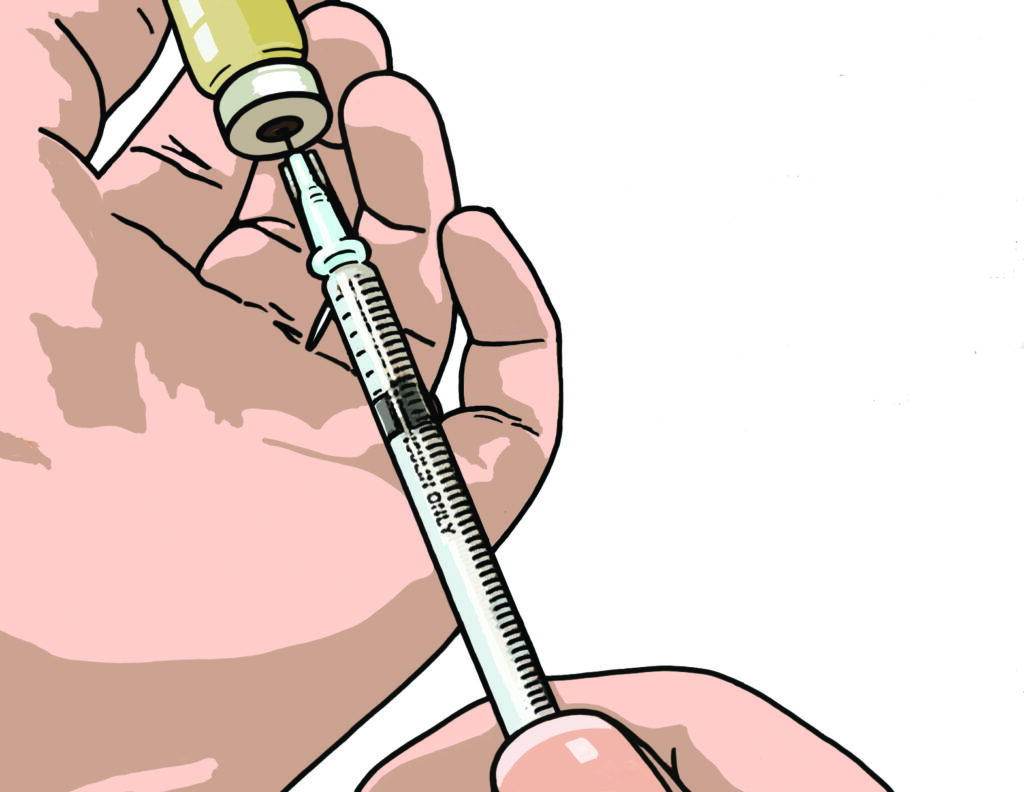
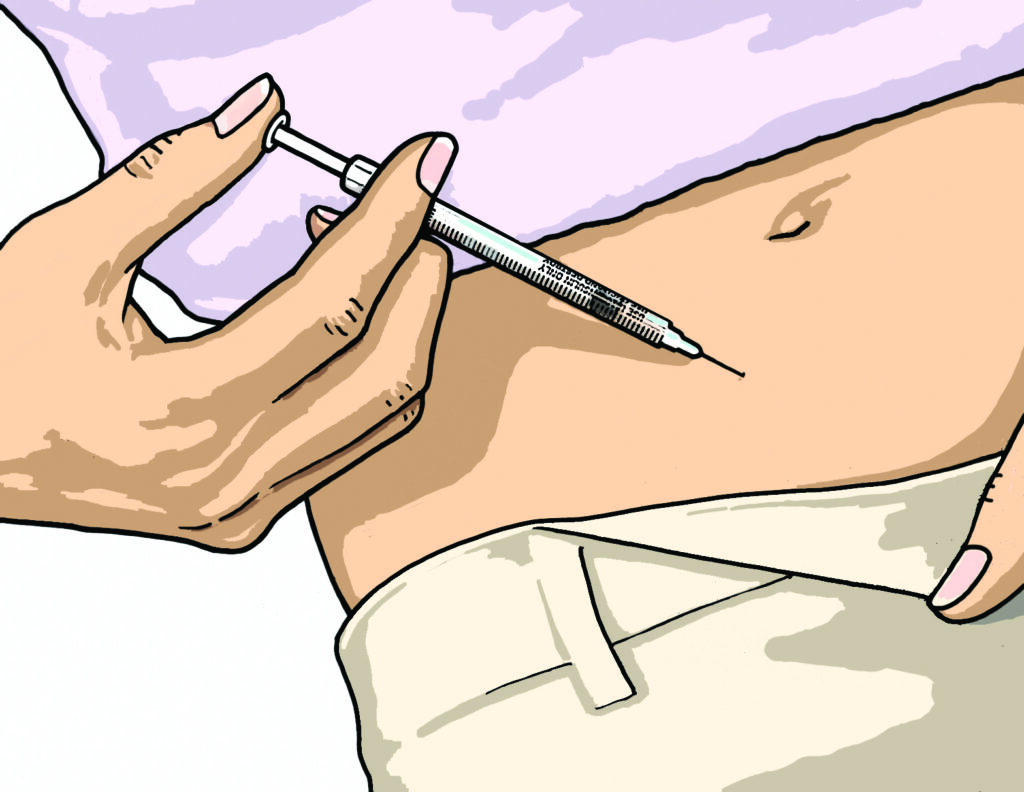
Illustration of someone preparing a needle. Some IVF hormones are given by injections. Most women learn to do this for themselves.
This is done with small injections into the skin of the tummy or thigh over 10-12 days.
After your ovaries have been stimulated the eggs need to be taken out in order to be frozen. The procedure requires some sedation and pain relief. It takes about 20 minutes. The eggs come out through a needle that goes through the skin inside the vagina.
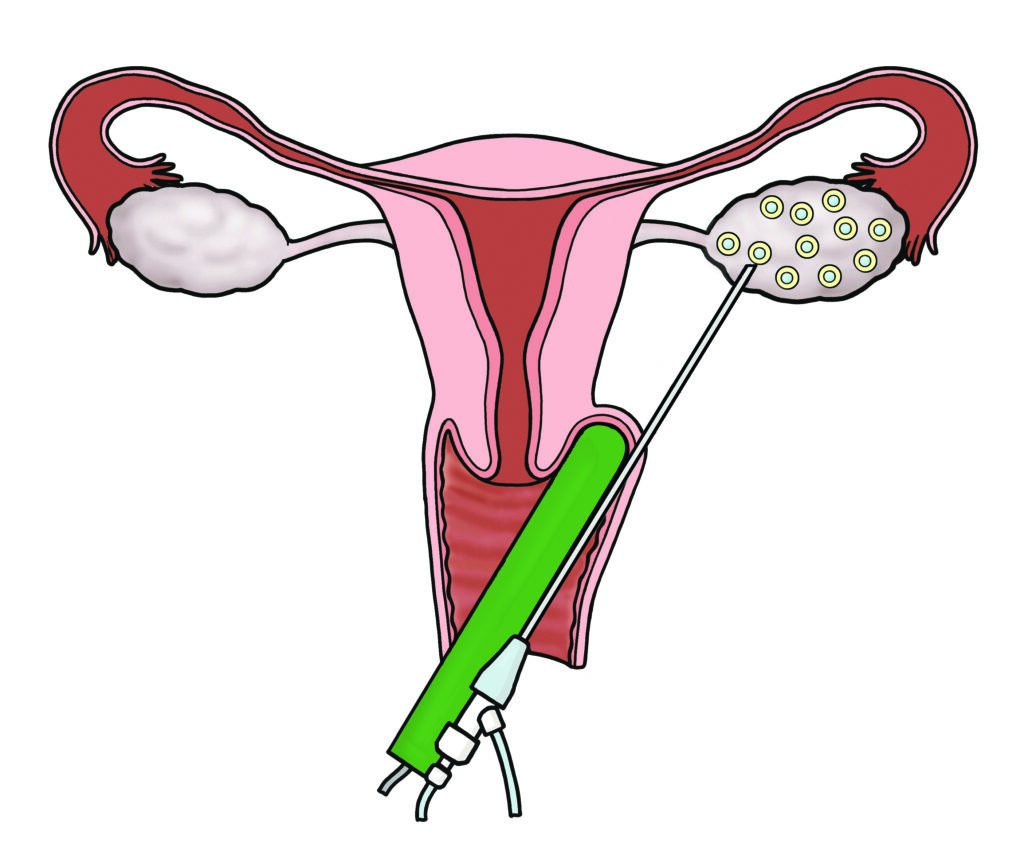
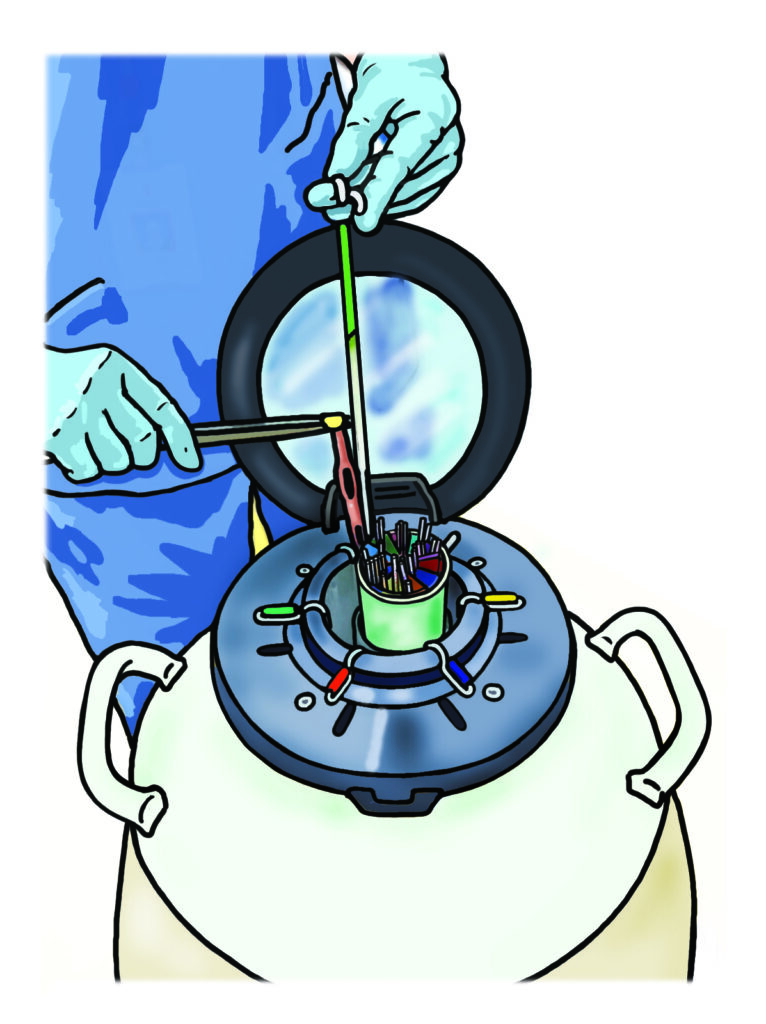
After the eggs have been taken out an embryology scientist will prepare and process them for freezing.
The eggs are then safely stored in the clinic until you want to think about having a baby. You will have a period two weeks later and your natural cycle should return to normal immediately.
How are the eggs used to have a baby in the future?
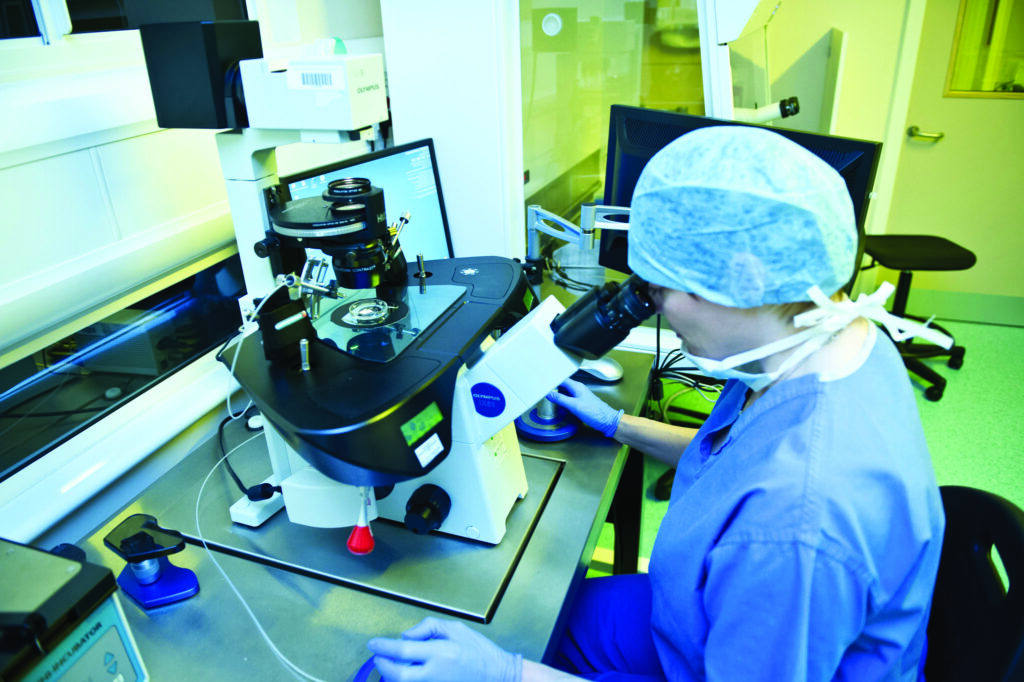
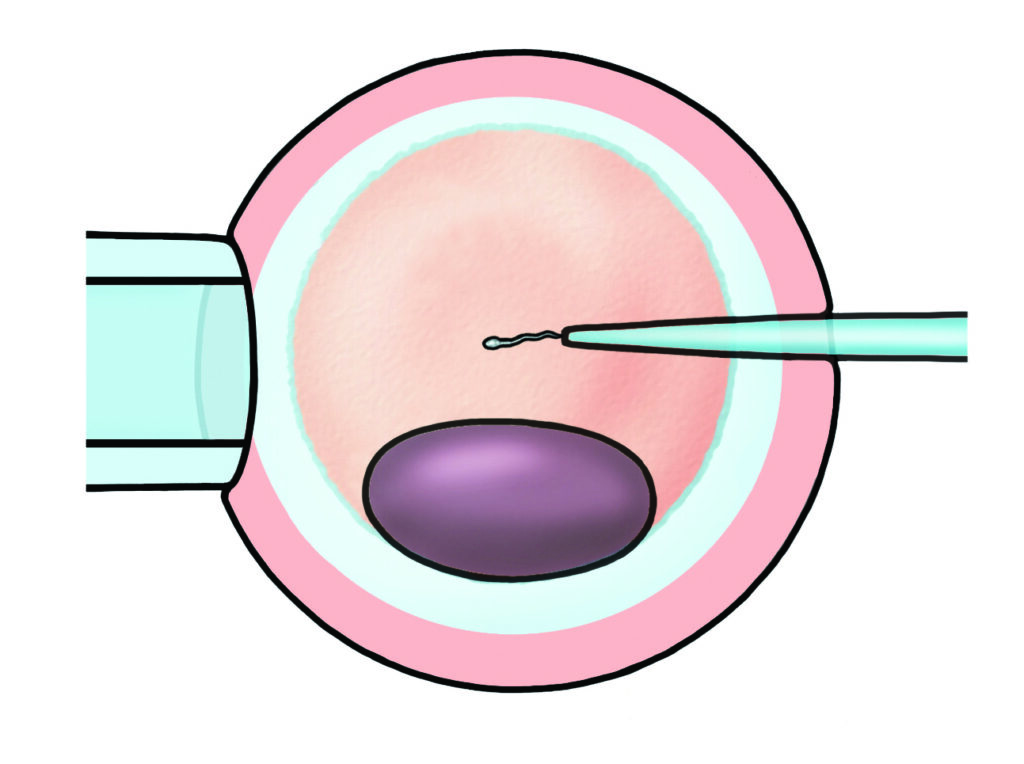
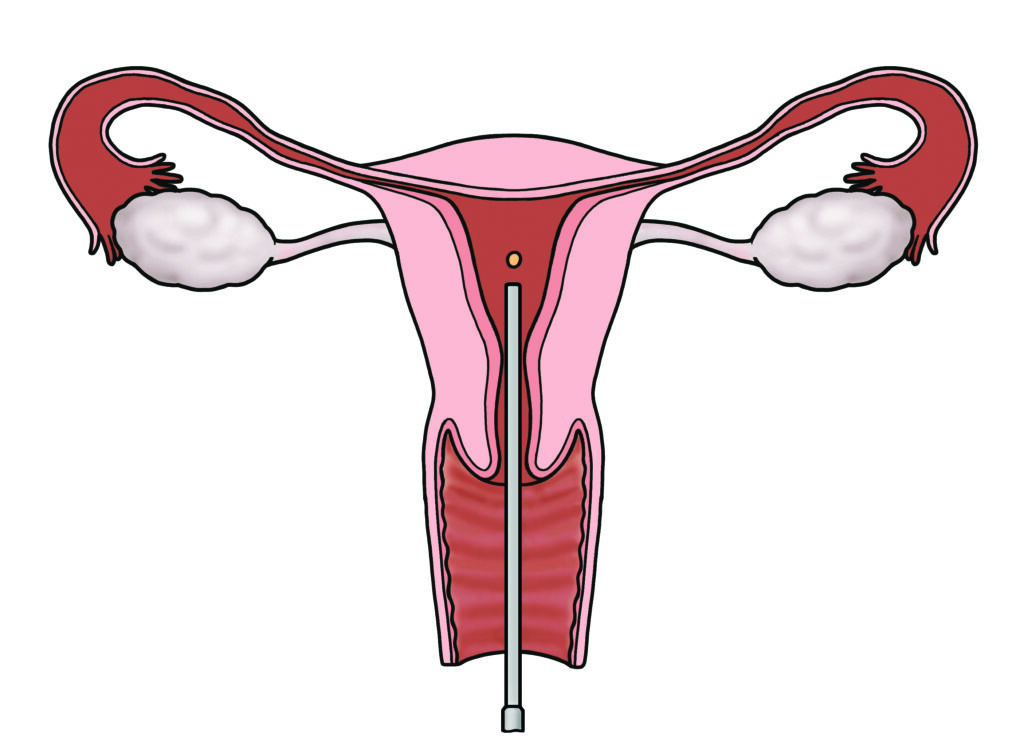
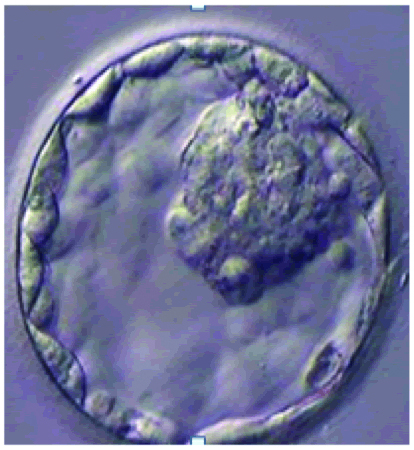
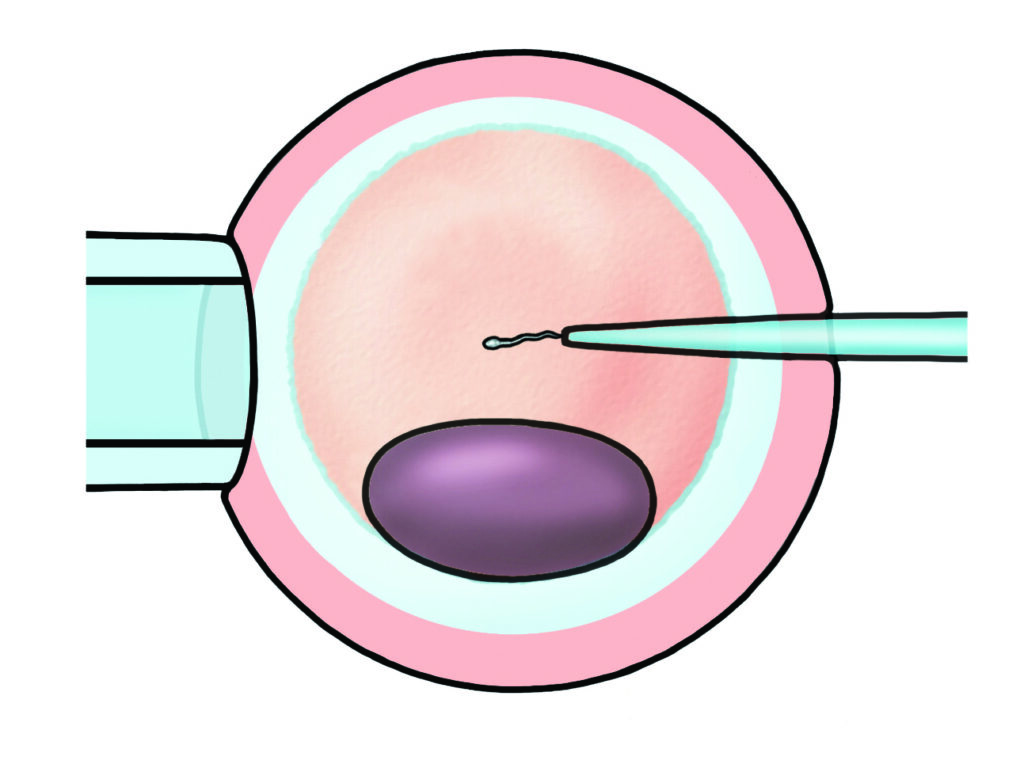
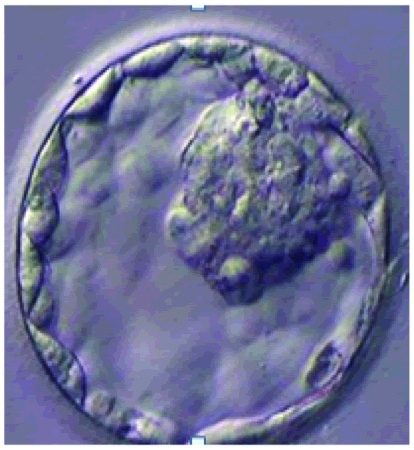
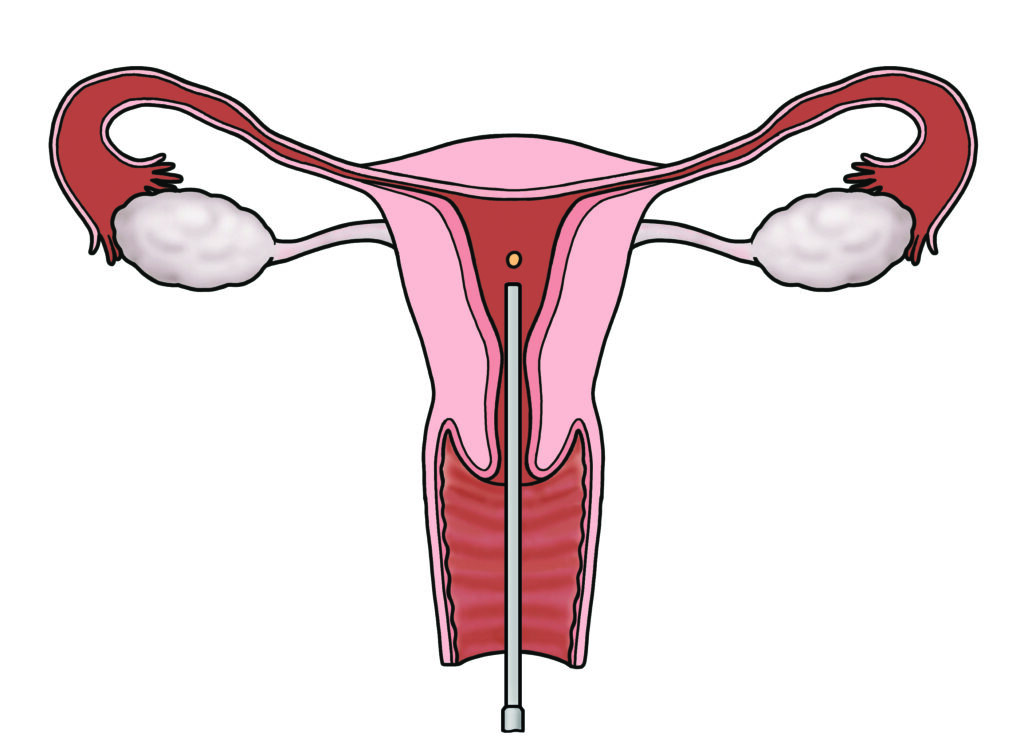
When you are ready to try to get pregnant, the eggs will be thawed and each one injected with a sperm from your partner or a donor of your choice if you are single to try to fertilise them. The embryos (fertilised eggs) that result will be looked after in the fertility laboratory for five days. One will be taken and put into your womb. If there is more than one good one, the others can be frozen again for use at a later date. Unfortunately it does not always work, but hopefully you will have produced several embryos to have several attempts.
ICSI sperm injection
Transfer of a blastocyst embryo to the womb. This procedure feels similar to a smear test.
What are the risks?
Unfortunately there are no guarantees that everything will go according to plan. Problems can occur along the way. These could include:
Problems with getting eggs out
- Difficulty harvesting eggs – The ovaries may not give any eggs up or the eggs that are there are of poor quality and unsuitable to freeze
- Complications of surgery- egg retrieval and ovarian tissue collection are usually safe and straight-forward but occasionally infection, bleeding or damage to nearby structures can happen
Problems with the storage and thawing of the eggs
- The eggs may not recover from the freezing and thawing process
Eggs
There are many steps between an egg and a baby. Problems may happen at each stage.
ICSI
- They may not accept the injected sperm and therefore fail to fertilise
Embryo transfer
- Transferred embryos may not continue to grow and implant to produce a positive pregnancy test
Pregnancy
- Not all positive pregnancy tests go on to produce a healthy baby. When a baby stops growing, this is called a miscarriage. About 1 in 4 natural pregnancies end in miscarriage and this technique does not make it more or less likely
What are the chances that the treatment will work?
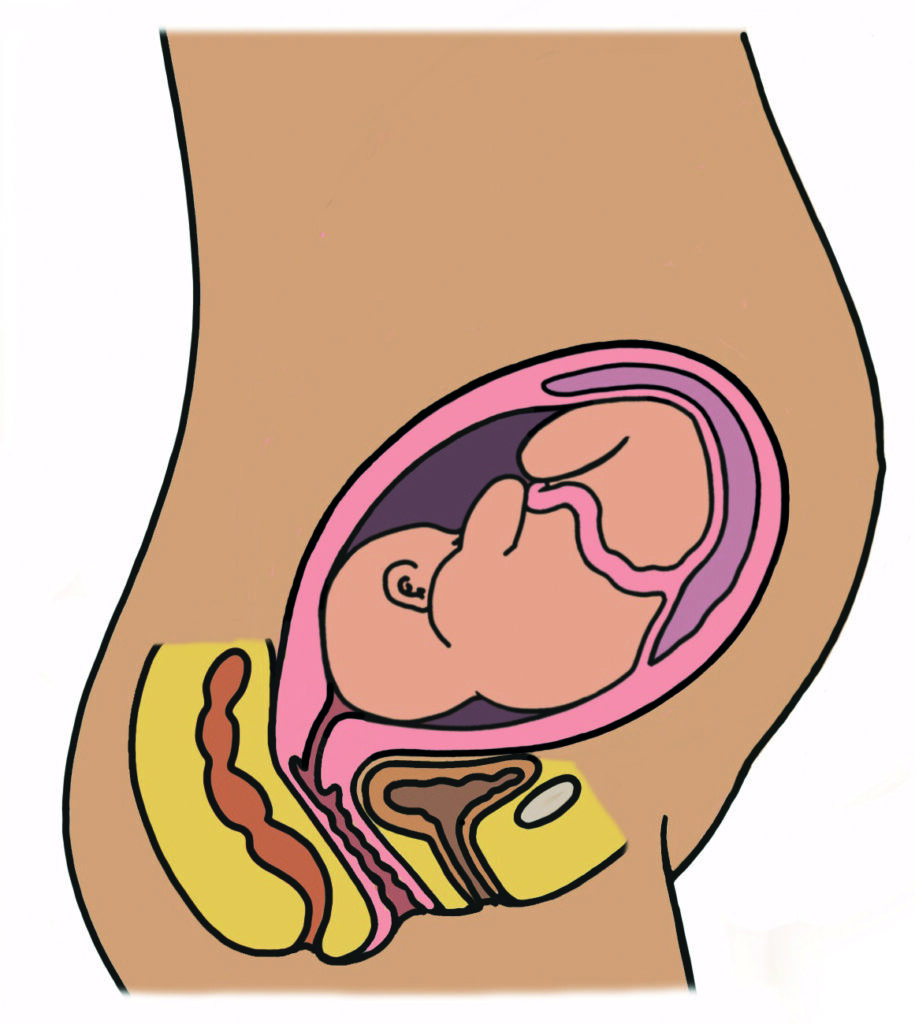
Success depends on many things but especially on the genetic quality of the egg which is related to its age: the younger, the better. We also need a good number of eggs to work with (e.g. 20) as not all of them will be perfect. The scientific literature (2019) reports babies born at the rate of about 6.4% per egg thawed.
It is important to understand that it is not just the quantity of eggs that declines with age, but also the quality of them. The quality of an egg is determined by its genes (chromosomes / DNA) that are fragile and vulnerable to damage as time goes by. This is why it is naturally harder to get pregnant and to stay pregnant after the age of about 35 years.
Egg quality by age
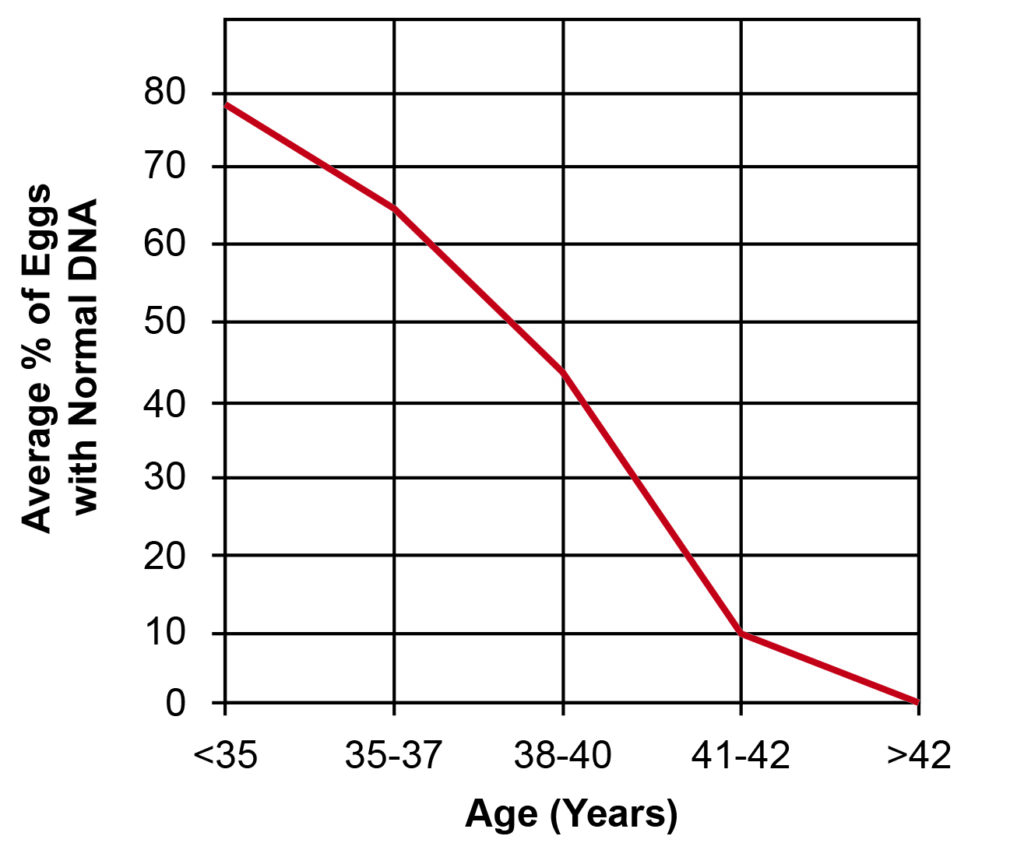
It is also worth noting that the womb does not deteriorate in the same way as the eggs. It remains capable of carrying a pregnancy safely for many years after the ovaries have weakened and even after they have stopped working. Pregnancy itself carries greater risks to your health as you get older and this must be taken into account when the clinic is assessing whether and when to offer treatment.
Whether it is ‘right’ to try to have a child in late middle life or old age is also a moral and ethical question. There is no legal maximum in the UK. We have considered the question carefully and do not offer treatment past the natural age of menopause, or 50 years.
How much does it cost?
The NHS will not cover the cost of storing your fertility without a medical reason to do so. You will need to pay for the medical, laboratory and administrative costs of the initial process of consultation and decision-making.
If you choose to proceed, you will need to purchase a package of care to get your eggs into the freezer and then a storage charge on an annual basis for as long as the eggs remain in the clinic. It is very difficult to give costs as they will vary depending on the length of time material is stored. The older you are, the more likely you are to need more than one cycle of egg harvesting.
Guide costs for egg freezing
Please contact our partners at Care Fertility Leeds for current fees.
Is there anyone else I can talk to?
We know there is a lot of information to take in and the decision-making may be harder with all the facts to hand than you first thought.
Some people find it helpful to talk to someone who is not a close family member, friend or doctor / nurse involved in their treatment about how they feel and the decisions they need to make.
You can ask to see someone by yourself or bring anyone else with you, if you prefer. Please ask if you would like to know more about Care Leeds specialist counselling service.

Generally speaking, the younger you are the more likely you will be to:
- Retrieve a large number of eggs
- Need fewer eggs to achieve a healthy pregnancy
- Be satisfied with your yield of eggs after one cycle only
- Get pregnant naturally without ever needing to use the eggs you stored
The older you are, the more likely you will be to:
- Produce a smaller number of eggs to store
- Need more eggs to achieve a healthy pregnancy
- Feel that you should do more than one cycle to be satisfied you have stored enough eggs for a decent chance at a pregnancy (which costs more time and money)
- Need to come back to use the eggs you stored
On the issue of coming back to use your eggs, the proportion of women who do in fact try to use them appears to be quite small (as low as 10%). This may be because the data are few to date and / or because most of the young women end up getting pregnant naturally.
If you are over 35 years old at the time you stored your eggs, you are more likely to use them within 2 yeas of storing them.
You might ask yourself what else you might use the money for, if you do not take this project on. It is not a small undertaking in time, money and emotional energy.
What happens after the storage process is complete?
Maintaining contact
When your preservation treatment is over, the clinic will stay in touch about the eggs you have in storage. When you are ready to talk about using the eggs, we will explain the options, risks and chances of success.
Care Fertility will keep in touch with you over the months and years in between to make sure that we are doing the correct thing by keeping your eggs in storage. We will confirm that.
- You still want them to be kept
- They still need to be kept
- There is funding available to keep them
- We are still legally allowed to keep them
Care Fertility Leeds is the guardian of your stored eggs. The next section explains the responsibilities of the Clinic, your responsibilities and where we both stand legally under a variety of circumstances. Whilst these details may not seem important now, they are extremely important as time goes by, to make sure that the Clinic is able to support you with accurate advice about the safe, long-term and legal storage of your eggs.
You will then receive regular letters from us that ensure that you keep us informed of your intentions regarding the stored eggs.
General legal information about how fertility clinics and storage facilities are regulated
The Human Fertilisation and Embryology (HFE) Act (1990, amended 2008) and the HFE Authority (HFEA) regulate all treatments involving human eggs, sperm and embryos. The HFEA issues the Code of Practice that we work by and it inspects us regularly to ensure standards are maintained. All UK clinic results are reported to them and are publicly available (www.hfea.gov.uk).
What do I need to do if I want to go ahead with preserving my fertility?
You can refer yourself to Care Fertility Leeds on a private basis as this treatment is not funded by the NHS. Please go to:
A full discussion of your medical history will be offered. Tests will be requested to assess your general health and your ovarian reserve.
Summary
Fertility is your chance of having a baby. You may conceive naturally without assistance from a clinic. Age is the most important factor reducing the chances of spontaneous pregnancy. Age becomes important and more relevant from 35 years onwards.
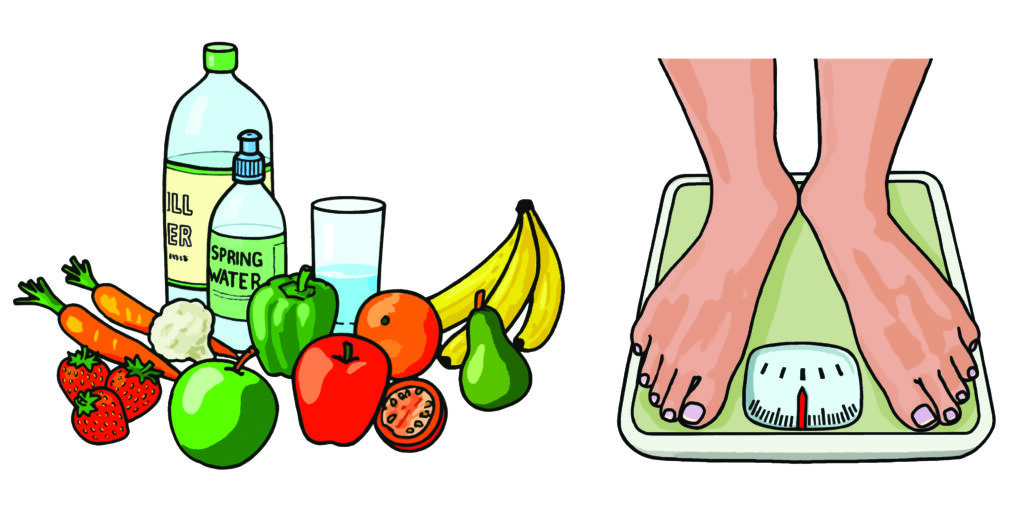
Some lifestyle factors reduce fertility on top of the influence of age e.g. smoking and obesity. Eating a balanced healthy diet low in processed foods helps to maintain normal body weight.
Fertility preservation may help to protect your fertility and give you choices in the future.
There can be problems with so there are no guarantees that a healthy baby will be achieved. This is an area of medicine that is progressing fast and is likely to get even better in the future.
You must weigh up the emotional and financial costs to decide what is right for you. Fertility preservation for social (non-medical) reasons is only available privately.
We are here to support you to make the right choice for you.
Useful Resources
Contact us
Leeds Centre for Reproductive Medicine
For all NHS appointments. Monday – Friday 08.00-17.00.

