
What is an IVC filter insertion?
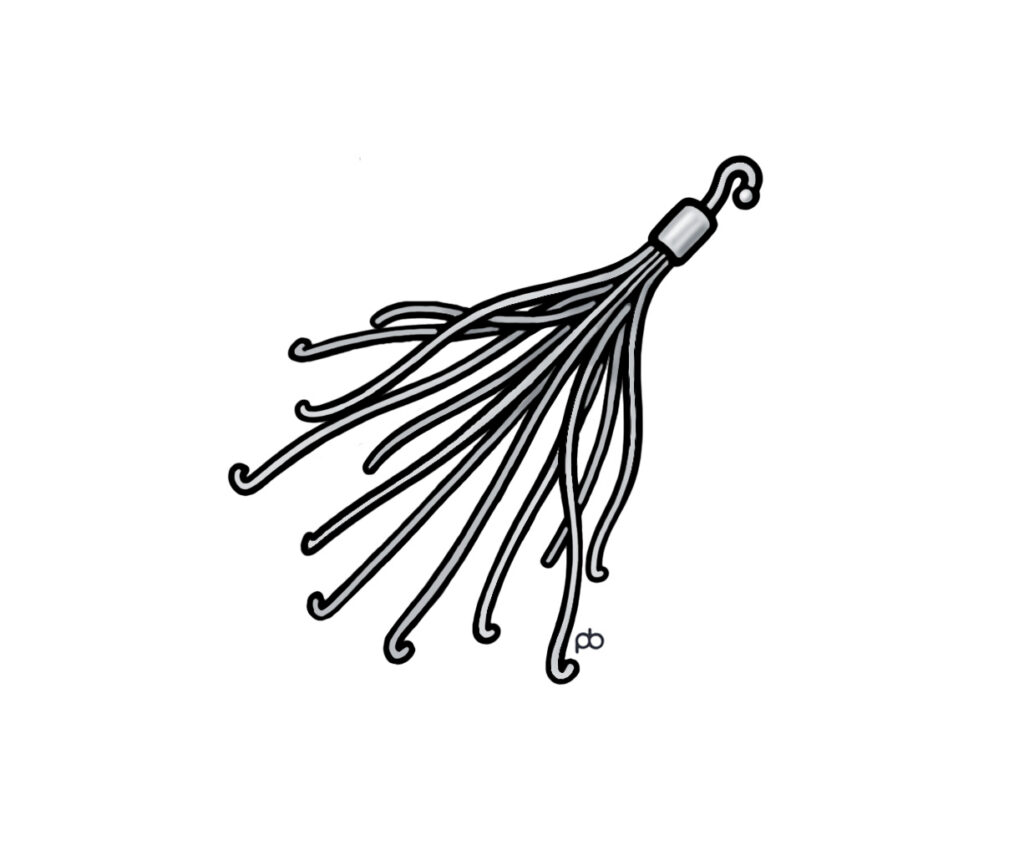
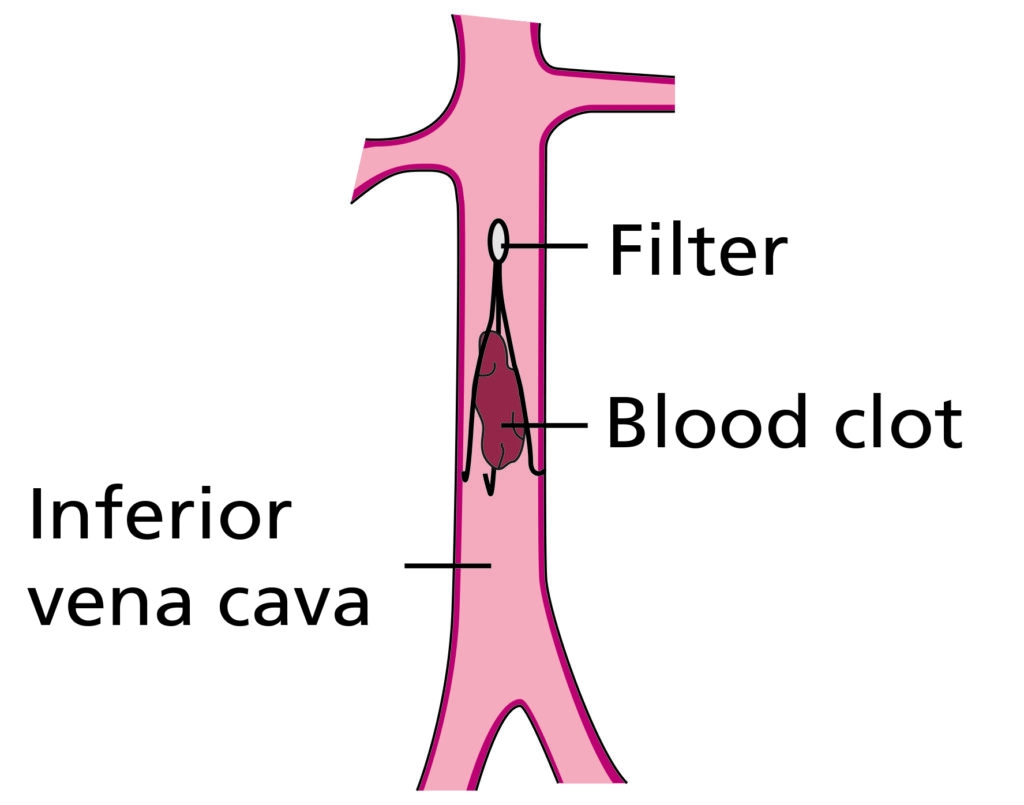
Inferior vena cava (IVC) filter insertion is a small device in the main vein in your abdomen. This device helps to prevent blood clots from travelling to the lungs, which can be dangerous.
How do I prepare?
- You do not need to fast for this procedure unless you are instructed by a member of our team.
- To reduce your risk of getting an infection, you may be prescribed a course of antiseptic wash and nasal cream. Please complete the course as instructed.
- Most blood thinning medications need to be stopped prior to the procedure. Please inform the team if you have not received specific instructions.
How is an IVC filter insertion performed?
Consent
The interventional radiologist performing the procedure will explain this to you in more detail during the day of your procedure, when you will be asked to provide your permission by signing a consent form.
Anaesthetic
It is inserted under local anaesthetic; therefore, you may eat and drink as normal before the procedure unless told otherwise by your medical team.
Procedure
IVC filter insertion usually takes about 30 minutes to an hour, though every patient is different and some procedures may take longer. The procedure is either carried out from the vein in your neck or the vein in your groin. The radiologist will discuss this with you at the time of your consent.
A small incision will be made into the blood vessel and a small plastic tube inserted into the vessel. A flexible catheter is then gently moved into your IVC. A collapsed IVC filter is passed through the catheter. The filter is left in place and the catheter is removed. The filter then expands and attaches itself to the walls of the IVC.
Staff Involved
- Interventional Radiologist (Consultant/Fellow): A doctor specially trained in minimally invasive, image-guided techniques who performs the procedure.
- Radiology Nurses: Highly trained nurses who care for the patient before, during, and after the procedure. They assist with sedation, monitor vital signs (heart rate, breathing, oxygen levels), and may “scrub in” to assist the radiologist directly.
- Radiographers: Experts in imaging equipment who operate the machines to provide real-time guidance for the doctor.
- Senior Clinical Support Workers (SCSW): Assist with the setup of the room, patient positioning, and maintenance of sterile conditions.
What are the risks?
- Allergic reaction to contrast dye (mild symptoms like nausea, itchiness and rashes occur in 3%; moderate to severe symptoms such as severe vomiting, bronchospasm occur in less than 1%; risk of death is rare, estimated at 1:170,000)
- Damage to blood vessels
- Movement of the filter to other parts of the body
- Infection
- Bleeding or bruising at the insertion site
- X-rays will be used to make images of your body and guide your doctor during the procedure. X-rays are a type of radiation. We are all exposed to low levels of natural radiation as part of our everyday lives and medical x-rays give an extra dose of radiation. Radiation can increase your chances of developing cancer many years or decades after the exposure. The chances of this happening to you as a result of this procedure are considered to be very low.
- It is important to remember that your doctor thinks that the benefits of this procedure outweigh any risks from the radiation. We will make sure that the amount of radiation used in your procedure is as low as possible.
What to expect from this procedure?
Admission
IVC filter insertion and removal procedures are usually performed as a day cases. However, if you are already admitted to hospital, you will return to your ward afterwards.
Recovery
- Nurses will monitor your pulse, blood pressure, and puncture site.
- You may need to lie flat for a short time (30 minutes if the filter is inserted through the groin and then remain seated for a further 30 minutes).
- Many patients go home the same day, but some need to stay in hospital depending on their condition.
Aftercare
- Rest for the remainder of the day.
- Keep the dressing clean and dry for 24 hours.
- Avoid heavy lifting or strenuous activities for 24 to 48 hours.
- You can usually eat and drink normally.
- Take simple pain relief, such as paracetamol, if needed.
Care at home
Call an ambulance or attend the emergency department if:
- There is bleeding from the insertion site that does not stop after firm pressure.
- You develop a fever or feel very unwell.
- You have new chest pain or shortness of breath.
Contact the radiology department if:
- There is increasing swelling, redness, or discharge from the puncture site.
- There is new or worsening leg swelling or pain.
Exercise
- Limit your activities, get plenty of rest and gradually introduce light exercise after 48 hours.
Work
- If your job is sedentary and involves minimal physical strain, you can likely return within 24 hours, following your doctor’s guidance. If your job involves heavy lifting, climbing stairs, or strenuous activity, wait at least 48 hours and slowly increase activity as you feel ready.
Driving/travel
- No definite contraindication for traveling; however, you are advised to avoid driving for 24 hours especially if the insertion was in your groin, as the site might affect your ability to perform an emergency stop.
Medicines
- It is best to keep your usual pain medications at home, when required. If you are on any blood thinner, the doctor will give advice when you can resume it.
Follow-up
- Your team will tell you whether your filter is temporary or permanent. If it is temporary, you should have a plan for review and possible removal once it is safe to do so.
How to get to our department
We are located in the Ground Floor of Lincoln Wing at St James’s University Hospital.
Contact details
Interventional Radiology – SJUH


Interventional Radiology – LGI
Out-of-hours
- Please get contact details from the admitting ward.