
This leaflet aims to help you and your family understand why your doctor has recommended an internal eye shield for your radiotherapy treatment.
External beam radiotherapy is a type of treatment that uses powerful X-rays to treat cancer and some non-cancerous conditions. If the treatment is delivered very close to the eye this can cause a cataract to develop. Cataracts can reduce your ability to see clearly. They can be treated with a relatively simple operation but it is always better to prevent a cataract if possible. The internal eye shield is used to protect the lens of the eye from the radiotherapy, which will prevent you getting a cataract. It is not suitable for all treatments but your doctor will discuss it with you if it might help you.
The eye shield
The eye shield is shaped like a small, shallow bowl. It is made of metal to protect your eye and has a ceramic coating. The eye shield is placed underneath your eyelids. It has a small handle to help with positioning it.
Before having the eye shield placed your doctor will arrange for a prescription of the lubricating drops and some local anaesthetic drops.
Preparing your eye shield
There are different sizes of eye shield that are used. Your radiographer will determine which size is the best fit for you.
Your radiographer or doctor will undertake a strict cleaning process to make sure the eye shield is sterile before it is inserted into your eye. This may be done in front of you but will often be done before you are taken into the treatment room.
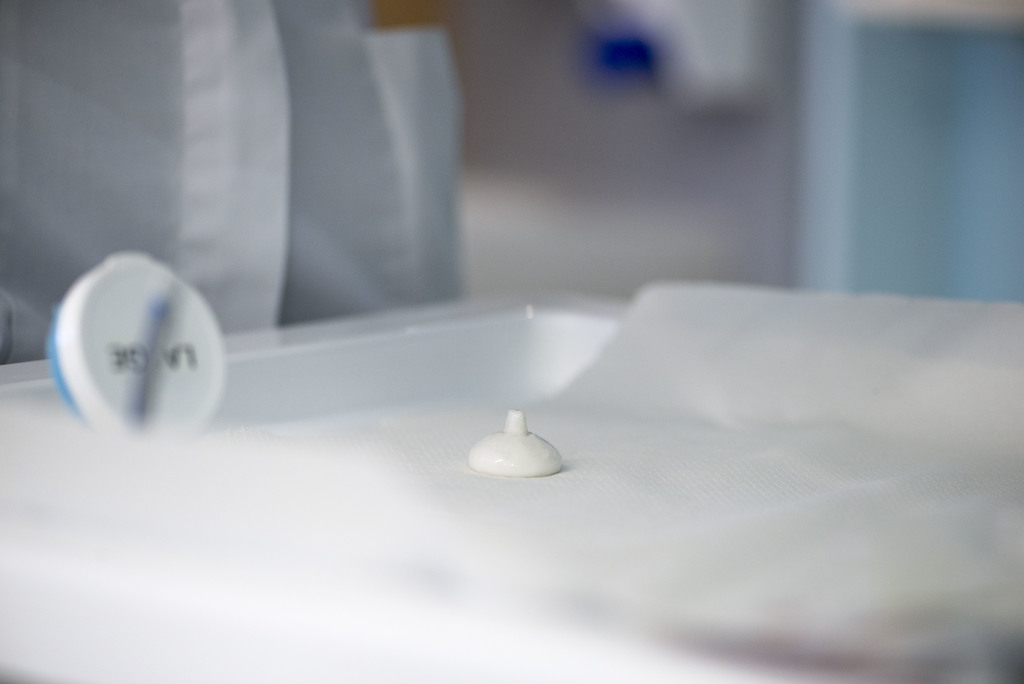
Your radiographer or doctor will apply a small amount of lubricant to the eye shield to help make it easier to place under your eyelids.
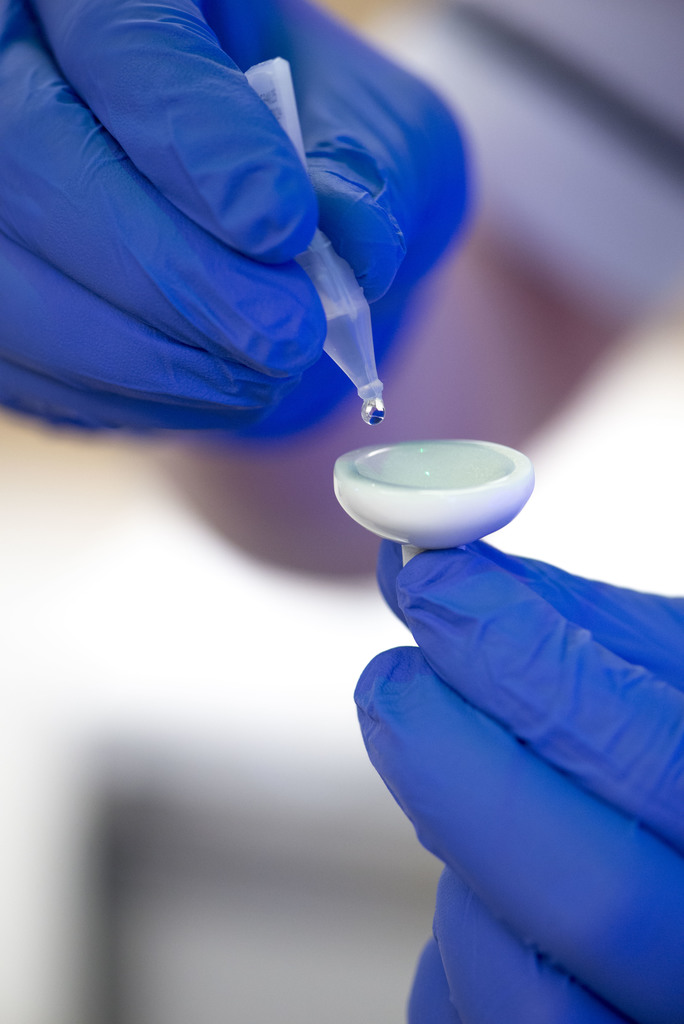
Preparing your eye
The radiographer or doctor inserting the eye shield will numb your eye using the local anaesthetic eye drops. This can sting a little as the eye drops are inserted.
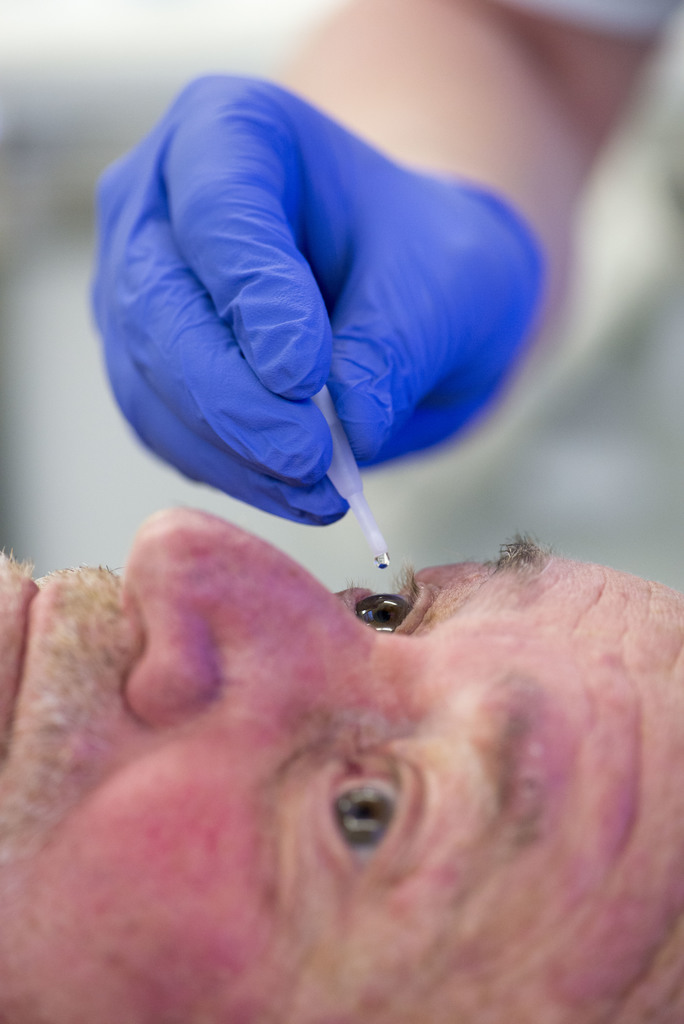
It will take about a minute for the drops to work.
To make sure that the anaesthetic has worked your radiographer or doctor will very gently touch your eye with a sterile fabric pad. You shouldn’t be able to feel this. This will be done before inserting the eye shield. You may also have a small contact lens placed in your eye before the eye shield.
Inserting the eye shield
You will be asked to lie down for the eye shield to be inserted. Your radiographer or doctor will then ask you to look up and then down while they insert the eye shield.
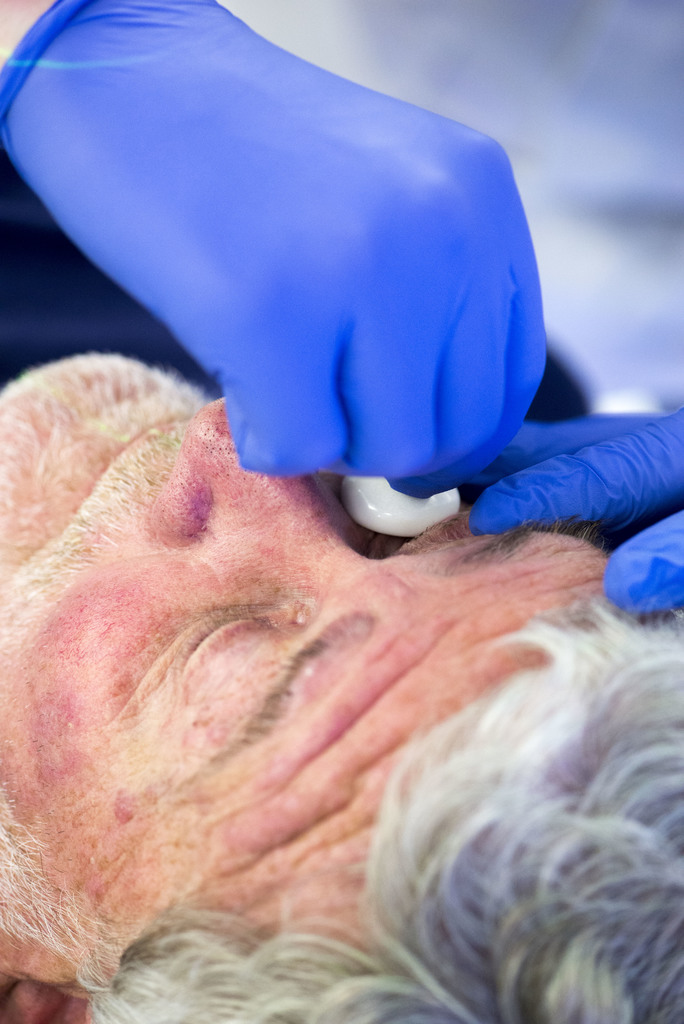
Sometimes it is necessary for your radiographer or doctor to move your eyelids to get the eye shield to sit comfortably. It may feel strange or uncomfortable, but it should not hurt because of the anaesthetic. Sometimes your radiographer or doctor may need to position it more than once to get the best fit.
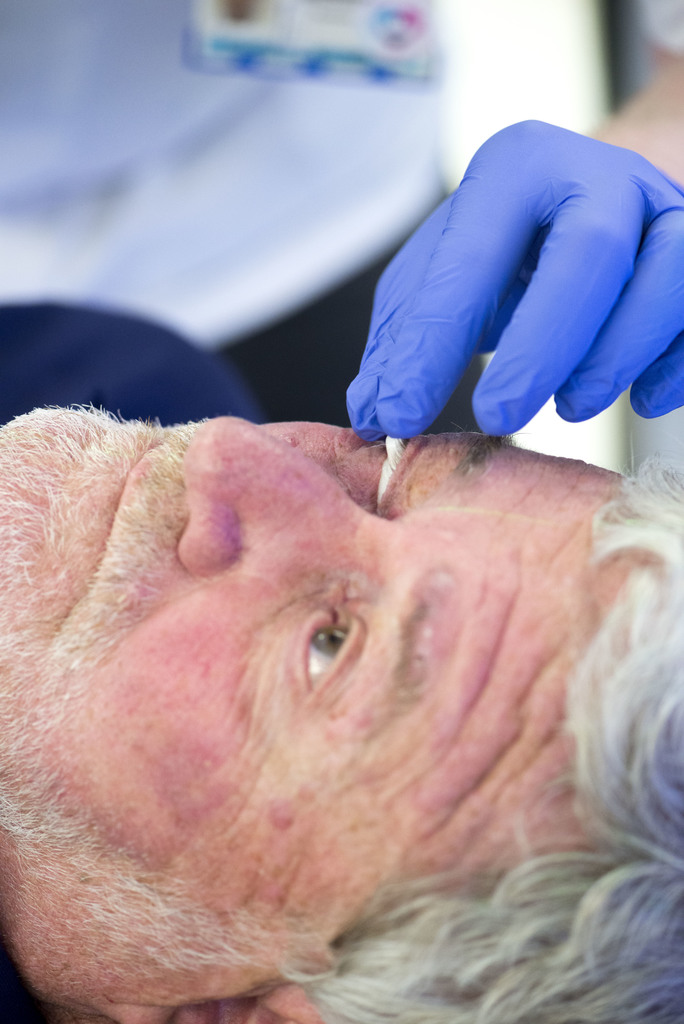
The eye shield is inserted immediately before your treatment as part of your appointment.
During and after treatment
The eye shield will be in position for the few minutes it takes to deliver your treatment. You will need it in position for every treatment you have been prescribed that is close to your eye.
The eye shield will be in position for the few minutes it takes to deliver your treatment. You will need it in position for every treatment you have been prescribed that is close to your eye.
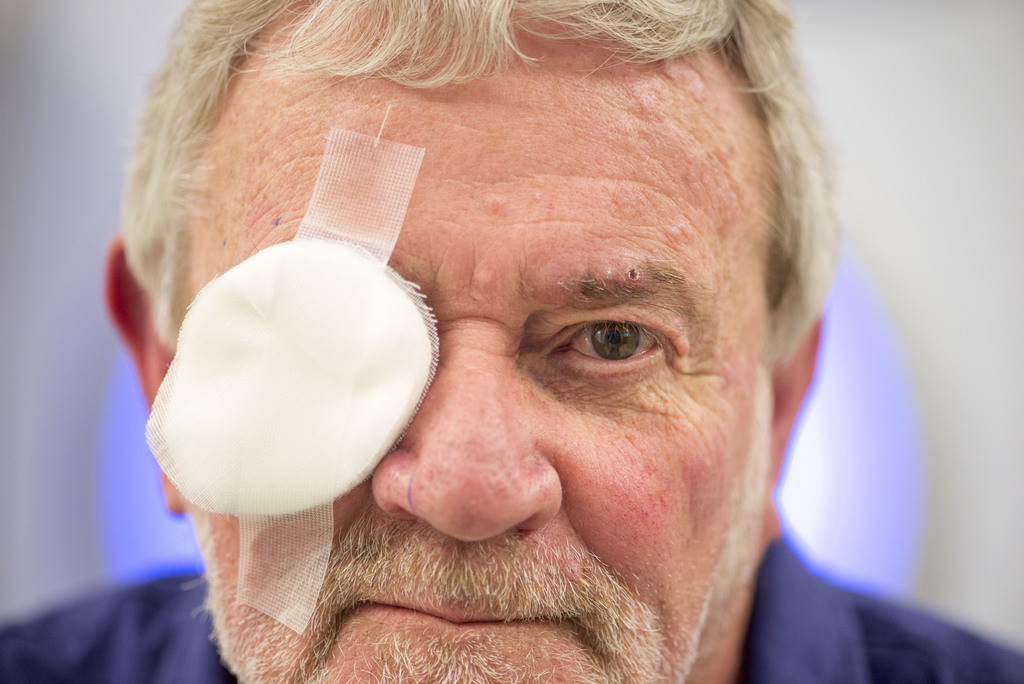
Once each treatment is completed the eye shield will be removed. Your radiographer or doctor may ask you to look up or down again to make removing the eye shield easier.
You will need to wear an eye patch for four hours after your treatment is completed.
This is to stop any dirt getting into your eye and causing damage, as you will not be able to feel it.
Please note
Having the eye patch means you will not be able to drive yourself home after your treatment each day. Once the eye patch has been removed you are free to drive again.
Side-effects
It can be uncomfortable having the eye shield put in place but it should not be painful.
Having something in your eye increases the risk of causing an infection. We try very hard to avoid this by making sure the eye shield is carefully cleaned before each use. If you notice that your eye is becoming sticky or sore, or that you have developed a discharge from it, you should ask to see a doctor in the radiotherapy department. Sometimes this soreness can be due to the treatment but if there is infection present your doctor will prescribe antibiotic eye drops.
Radiotherapy reception
If you need to speak to a member of our team, please call the radiotherapy reception.
