
You have been given this leaflet because you have an unexpected finding of polyhydramnios on ultrasound examination.
What does polyhydramnios mean?
Polyhydramnios is diagnosed when the amount of amniotic fluid (also referred to as liquor) surrounding your baby is above the expected normal range. This range changes depending on how many weeks pregnant you are (gestation).
Polyhydramnios can only be diagnosed following an ultrasound scan.
What is amniotic fluid and what does it do?
During your pregnancy, your baby is cushioned inside a fluid-filled bag (amniotic sac). The wall of the amniotic sac is made up of two membranes which keep your baby safely sealed in the bag of amniotic fluid.
These membranes usually break open before or during labour, which is commonly referred to as your “waters breaking”.
Picture of baby in the womb, showing the amniotic sac and fluid
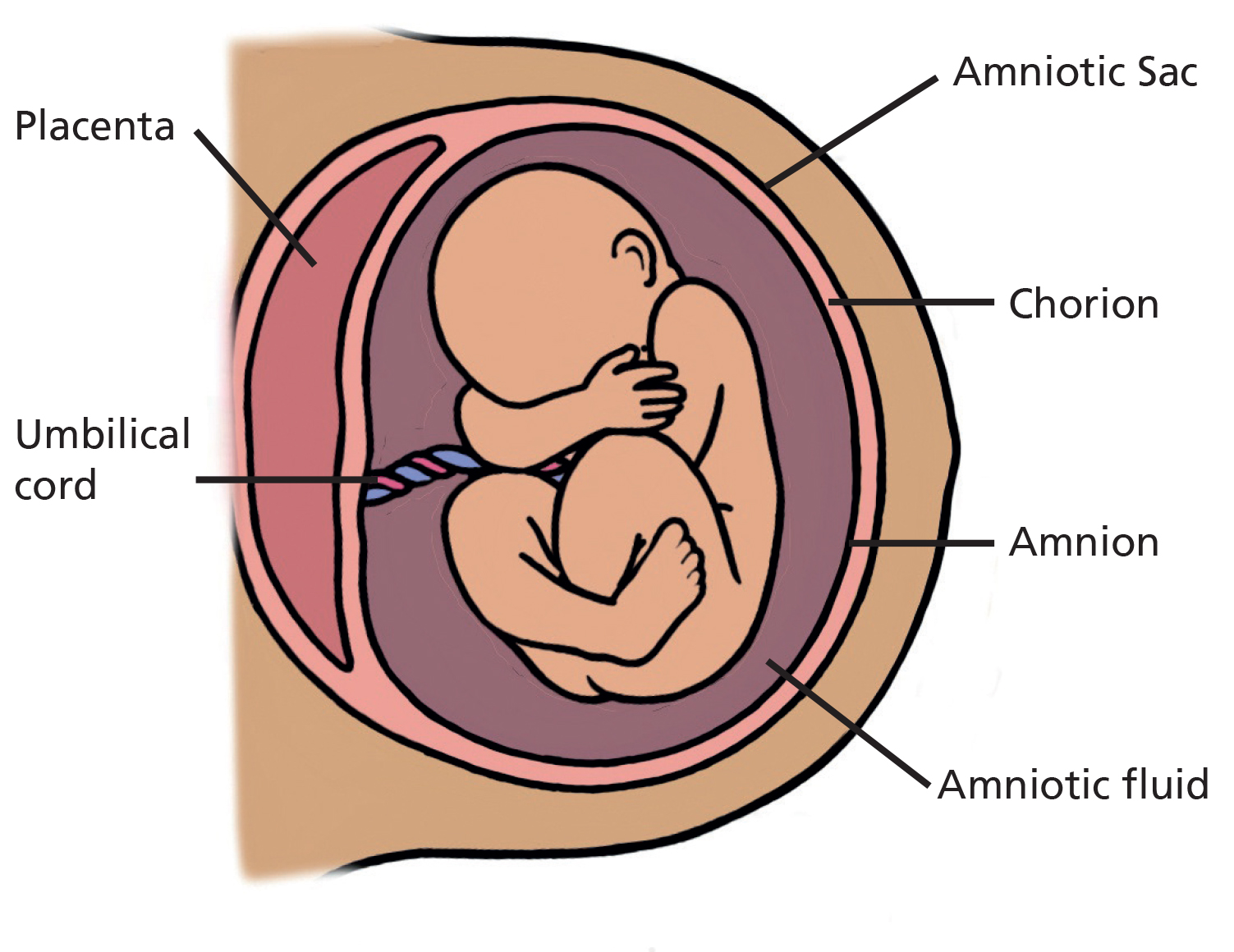
The amniotic fluid is there to cushion your baby and protect it from trauma and also to help with the development of your baby’s lungs, muscles and joints.
Why has this happened?
In most pregnancies where extra amniotic fluid is present, no cause is found and babies are healthy when they are born.
There are also some additional causes to consider that may require more tests during your pregnancy (these are less common).
- The baby may wee (urinate) more than average if you have developed gestational diabetes.
- In a monochorionic twin (those that share a placenta) pregnancy, extra fluid may be a sign of twin-to-twin transfusion syndrome (TTS).
- There may be something obstructing the movement through your baby’s gastrointestinal tract, such as a narrowing in the bowel or a growth in the chest or neck.
- Rarely, the amount of fluid round a baby builds up because of a problem with the baby’s swallowing, caused by a brain or muscle abnormality.
What does it mean for the pregnancy?
If the additional amniotic fluid is an isolated problem and your baby appears healthy on the ultrasound scan, then it is not likely to have a negative impact for your baby. In some situations, the additional fluid in the amniotic sac may mean that your baby may not settle into a head first (cephalic) position.
The increased size of your uterus (womb) can also put you at an increased chance of your waters breaking before your due date. If your baby’s head is not settled into the pelvis (engaged) at this point there is a risk of the umbilical cord delivering first.
This is an emergency situation and may require delivery by caesarean section.
If any other issues are found with your baby during the ultrasound scan, additional tests and scans may be required. These will be discussed in detail by your fetal medicine consultant if present.
What do I do next?
Your local hospital will discuss your case and may refer you to the Fetal Medicine Unit at the Leeds General Infirmary, if the volume of amniotic fluid is 30cm or more. Leeds Fetal Medicine Unit provides highly specialist care to women from the Yorkshire and Humber region with complicated pregnancies. The doctors in the Fetal Medicine Unit will assess your baby in detail and organise a monitoring and management plan specific to your baby. Depending on these findings you may be offered further tests and future appointments for scans.
Informed Consent
This leaflet is provided to supplement verbal information that will be given to you by your healthcare provider (Doctor/ Surgeon/Nurse) as part of the consent process prior to your procedure. Information sharing between you and the clinician is essential to ensure that your decision to consent is fully informed. Please ask questions if you don’t fully understand or have any concerns about what is proposed. You have a right to be involved in these decisions and should feel supported to do so. Please take the time to consider what is important to you to ensure the information you receive is specific and individualised.
Where can I get more information and support?
Be sure to ask questions to the doctor supplying you with this leaflet and make a note of any questions you would like to ask at your Fetal Medicine Unit appointment. Your local hospital will also have a specialist midwife who you will be able to contact for further discussion.
We know this might be concerning or cause anxiety for you. Staff are here to support you and help you understand what is happening and the options available. Please do share any concerns you have with staff throughout your pregnancy.
Another helpful charitable resource is Antenatal Results and Choices.