
Why have I been asked to do a GBS self-swab test?
Testing for GBS is not routinely offered during pregnancy in the UK.
If you had GBS in a previous pregnancy and your baby was not affected by GBS, you will be offered a self- swab test which will tell you whether you are carrying GBS in this pregnancy.
Testing is carried out between 35-37 weeks of pregnancy.
This is because there is a 1 in 2 chance that you will be carrying GBS again in this pregnancy. If this test result is positive, then the chance of your baby developing a GBS infection is 1 in 400 and so you will be offered antibiotics via a drip during labour.
If your swab results show you are not carrying GBS, then the risk of your baby developing a GBS infection is much lower (1 in 5000). Antibiotics would not be offered in labour.
When to perform the GSB self-swab test
You will be required to perform the GBS self- swab test on the morning of your 36 week antenatal appointment. Please follow the instructions in this leaflet.
Please remember to hand-in your completed test at your 36 week antenatal appointment.
How to use the self-swab
- Please wash your hands before you begin. Take the cap off the end of your self-swab and insert the cotton end 2cm into the vagina.
- Using the same swab, remove it from the vagina and insert in 1cm into your back passage.
- Place the swab back into the tube and click the cap. Once this step is complete you may now re-wash your hands. Place the completed swab in the clear plastic bag provided.
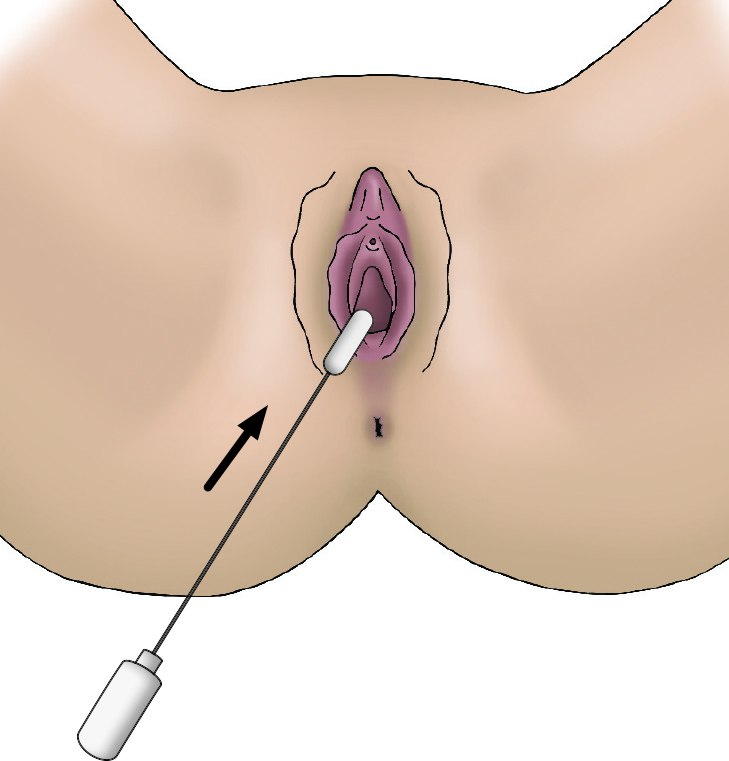
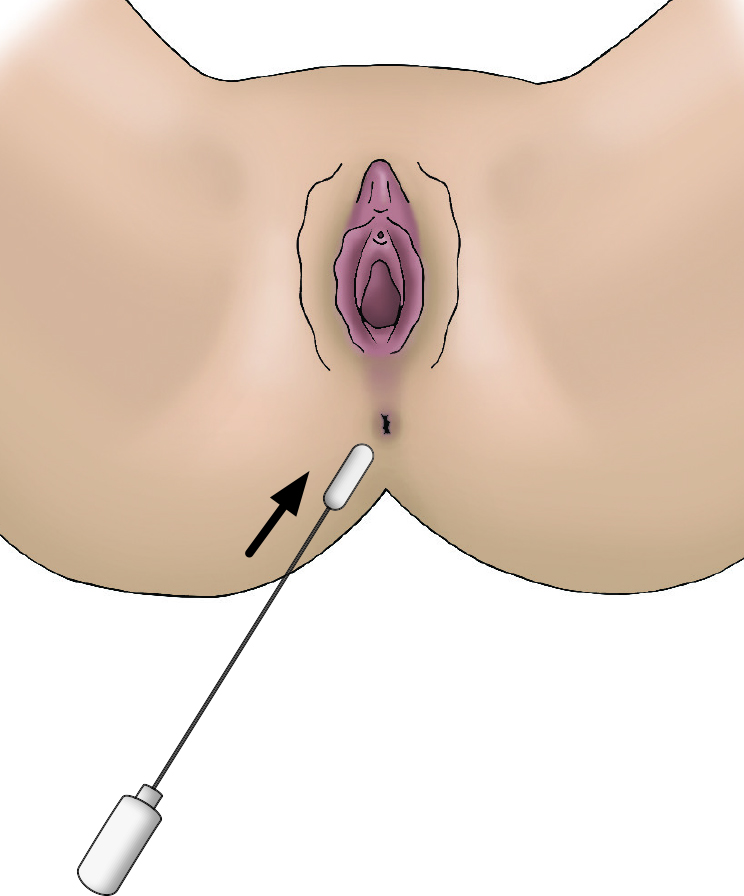

You should receive your results within seven days of the test being received by the lab.
If the result is positive, you will be contacted by a midwife to discuss the result and be offered antibiotics in labour.
Informed consent
This leaflet is provided to supplement verbal information that will be given to you by your healthcare provider (Doctor/ Surgeon/Nurse) as part of the consent process prior to your procedure. Information sharing between you and the clinician is essential to ensure that your decision to consent is fully informed.
Please ask questions if you don’t fully understand or have any concerns about what is proposed. You have a right to be involved in these decisions and should feel supported to do so. Please take the time to consider what is important to you to ensure the information you receive is specific and individualised.