
Types of restraint?
Bedrails
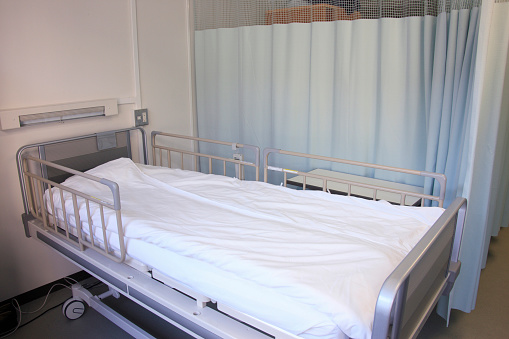
Bedrails are used to keep patients in the bed and to reduce the risk of falls. They are also used at times to stop people getting out of the bed for their own safety due to the risk of removing lines or breathing support.
1:1 observation
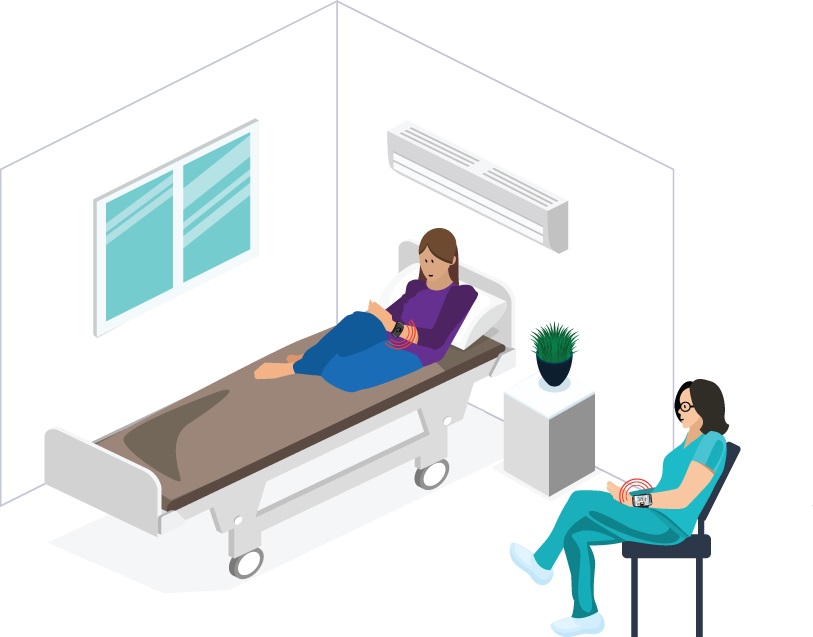
We may require someone to sit with your relative at all times to stop them from getting out of the bed, removing their tubes and to re orientate them to time and place regularly to help reduce confusion.
Boxing gloves/restraint mitts
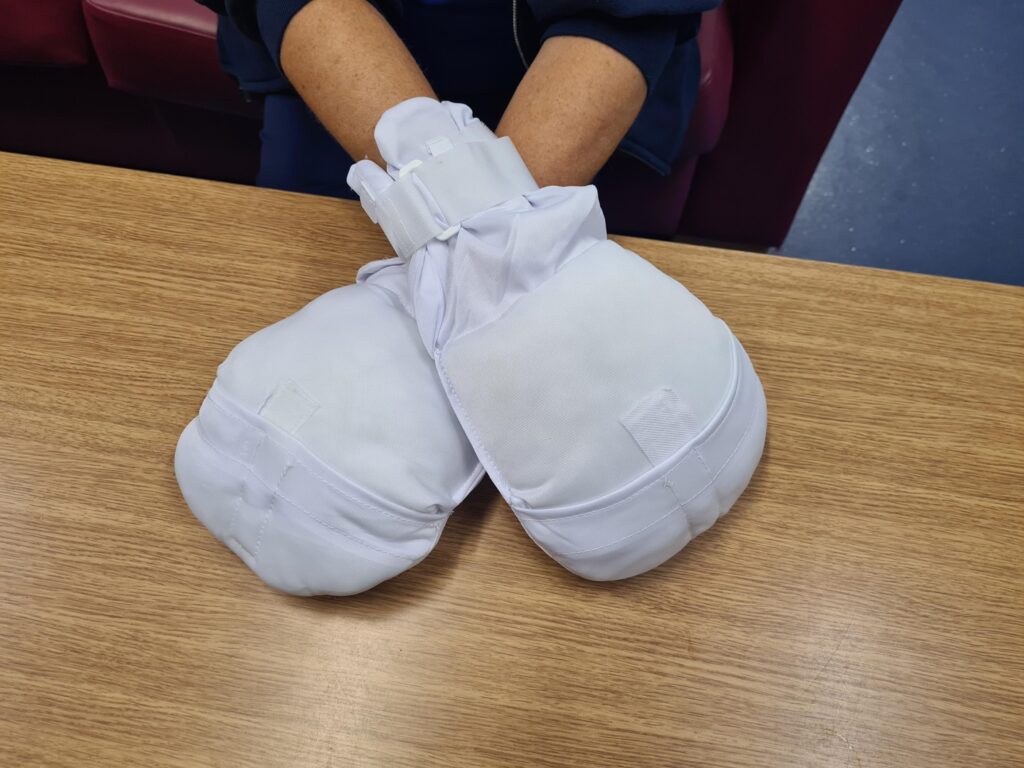
When patients are confused or disorientated and are also deemed to lack capacity to make decisions for themselves. It can lead to them trying to remove or pull at their lines and breathing tubes. In this instance we may implement the use of boxing gloves/restraint mitts to reduce the risk of this happening.
Medications

We also use medications to help manage agitation and confusion. Patients are at times commenced on regular medications and sometimes given ‘one off’ doses of stronger medications if required to help to alleviate the situation and calm the patient down to ensure safe treatments can be delivered.
Frequently asked questions?
Why does my relative require the use of restraints?
Due to your relative’s injury and the medications that they have been receiving during their Intensive Care admission they may not be aware of their surroundings and be able to consent to the care that we are providing. Your relative may have a number of tubes and lines in place as part of their treatment and if they were to remove these then that would not be in their best interests and potentially lead to more harm.
To keep your relative safe and to allow us to provide our care we may need to use restraints to stop them from pulling out their lines or their breathing tubes.
We may also require the use of equipment to help us to keep your relative in the bed and to reduce the risk of falls.
How do restraints help my relative?
Restraints help us to provide the care that your relative needs. If your relative removes their tubes and lines due to confusion or lack of understanding it will compromise their care and delay their treatments. Restraints help us to prevent this whilst keeping your relative safe.
When will they stop being used?
We assess the need for restraint continually. As soon as we feel they are not required or we can remove some elements then we will do so immediately. The use of the restraint has to be proportionate to the risk if the restraint was not in place.
Are restraints safe?
When restraints are in use regular checks are completed by the medics and the nursing staff, including documentation around the patients understanding and capacity, regular skin checks and breaks from the restraint. The use of restraint is in place to enhance patient safety.
Will the use of restraints upset my relative?
The fact that restraints are required indicates that the person is lacking in the capacity to act in their own best interests. Therefore ‘we’ as health professionals are acting in their best interests on their behalf. There may be a short term ‘annoyance’ with the boxing gloves for example – but this is compared to the risk of the individual pulling out the tube that is providing their nutrition or the lines that are providing their medication.
We have very little negative feedback from previous patients surrounding the use of restraint and most do not recall the use at all.
Questions about your relative’s care
If you have any questions or queries surrounding your relative and the care, they are receiving then please discuss this with the Nursing and Medical team and they will try their best to answer them for you.