

Some things are just out of our control…
Recognising that not everything can be controlled can be a good first step to managing anxiety and keeping your body healthy.
It is so easy to be eaten up with worry and feel overwhelmed. The more worrying you do the more likely you are to feel helpless and things will feel even more out of control. It can help to focus on the things you can control instead. Think about the things you can do to help you get through each day, for example, plan a routine to give yourself structure and activities to keep you busy.
We can’t control the world around us, but we can control our actions. You could try meditation, learn relaxation, play some board games, keep a good sleep routine, eat well and exercise.
Self-Care
It is really important to make sure you include time for yourself when things are stressful. Take a moment to notice the things around you. You could listen to some music or the noise outside. You could take a mindful walk on your own or try to make some time before bed to relax.
Support and Connections
Talking about how you are feeling with someone can be really helpful. They might not have the answers, but it can feel better just to get these thoughts and feelings out in the open and off your chest. It might be useful to plan a phone / video call with friends or family.
Ask for support. It’s not a sign of weakness, but of strength.
Looking after yourself
Aim to eat healthy regular meals. Sugar and caffeine may have an impact on your mood. It can also increase your heart rate which might make you feel more anxious. You don’t have to entirely remove these foods, but trying to eat a well-balanced diet, with regular meals; can help you manage your anxiety.
Be kind to yourself and others
When we’re stressed and worried it’s normal to feel more irritable, snappy or tearful. Be kind to yourself and go with those emotional ups and downs. Try not to get cross with yourself for feeling upset, angry, sad or frustrated.
Everyone is different; we feel things differently, and at different times. So you might find members of your family are feeling sad, when you are feeling more optimistic. It’s OK for us to feel differently.
When you feel threatened by something your body can go into “fight, flight or freeze” mode to protect yourself. This is a normal response where you feel a strong emotion. It evolved from our caveman days to help us stay safe with a natural response to either run away, fight or freeze. This is a completely normal response to a scary situation
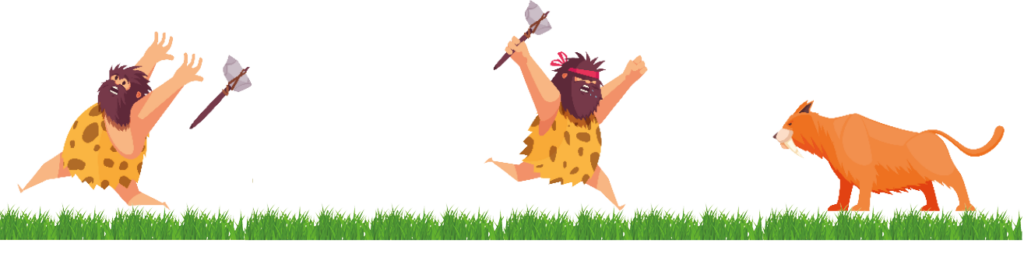
Being in “fight, flight or freeze” mode for a long period of time can be really tiring as it uses up a lot of energy. It can be difficult to sleep, and it can also affect your immune system, which makes it harder to fight off illnesses.
This reaction in your body increases your heart rate and sends blood to your muscles so that you’re all tensed up and ready for action. You might start sweating and your mouth might dry out. Digestion can slow or stop, which might make you feel sick. You might not think as much about your decisions and react with instincts.
Here are some things that you can try if you are feeling worried:
Grounding exercise
- Take a moment to think about where you are, notice all your senses.
- Try to focus on five things you can see, hear, taste, smell and touch.
- Take a breath and really experience where you are and how you are feeling.
- It’s easy to get into a negative way of thinking and when this happens, try not to get annoyed with yourself.

Try mindfulness
If your head is too busy thinking about the future, or the past, mindfulness can be helpful in bringing you back into the here and now. Anxiety and worry are very good at getting our full attention. Mindfulness is a simple way of paying attention to our thoughts and what is happening in the moment.

Mindfulness skills may take some practice to get used to, as our brains are normally so busy. You can practice at any point in the day; when you are cooking, washing up or walking. Whilst you are out for a walk notice the sensations of your body, your breathing, what you can hear and see. It is all about noticing and paying attention to the here and now. At the end of this sheet there are some resources explaining more about mindfulness practices, apps and websites.
Mindfulness skills may take some practice to get used to, as our brains are normally so busy. You can practice at any point in the day; when you are cooking, washing up or walking. Whilst you are out for a walk notice the sensations of your body, your breathing, what you can hear and see. It is all about noticing and paying attention to the here and now. At the end of this sheet there are some resources explaining more about mindfulness practices, apps and websites.
Resources
Mindwell – provides information on looking after your mental health and support
www.mindwell-leeds.org.ukNHS – Every Mind Matters Sleep Guide
www.nhs.uk/every-mind-matters/mental-health-issues/sleep/NHS – talking therapies for anxiety and depression – find a local service near you and self-refer.
www.nhs.uk/tests-and-treatments/talking-therapies/NHS – Mental Health – find information and support for your mental health
www.nhs.uk/service-search/mental-health/find-a-psychological-therapies-service/Helplines
Crisis Text Line
Text SHOUT

NHS 111
Much more than a helpline! If you are worried about an urgent medical concern, phone: 111 to speak to a fully trained adviser.

Samaritans
We are here round the clock.

Young Persons Text Crisis Service
Text the number below for Young Minds
This leaflet has been designed with the use of images from freepik.com
 |  |