

Having a procedure or test which uses needles is not pleasant and no one looks forward to having one done.

This information sheet includes advice and top tips on how you can support those who are worried about needles. It may not take away their worries completely, but hopefully it will help them to think about ways they can cope with having these tests done and how parents can help with that.
Preparing your child beforehand
Telling your child about a procedure
- Explain to your child why a blood test or injection is needed – not knowing why or when it is going to happen can be scary for some children.
- Try to answer questions honestly, and it’s OK to say ‘I don’t know, I’ll try to find out’ if you are not sure about something. The Children’s Cardiac Nurse Specialists can help you to find out any answers you don’t have.
- It helps to think about the age of your child and their level of understanding. Younger children will need less in depth information and may need to know closer to the time, older children benefit from a bit more notice and time to get prepared.
- If they’ve had a blood test or injection before, can you think about how it went? Thinking about what went well or what was tricky can help you to plan the next time.
- Role modelling – if you struggle with procedures or feel really worried about being there for procedures children may notice that you are scared or worried. If you really struggle, it may be best to bring someone with you (another relative or friend) who can stay with your child and comfort them. Children learn from watching their parent’s reactions and behaviour. If they see that you are very worried or scared of needles, they may see this as a sign that they should be scared too.
- Be kind to yourself – Watching your child have a procedure which distresses them can be really hard as a parent. It is important to look after yourself too.
- It is OK to acknowledge that you are worried too and you can talk together about ways to cope and nice things you can do afterwards
Think about choices
It can help for children to understand that procedures are important and that they can make choices to help them feel more in control.
Choices might include:
- What they bring with them
- How they sit, e.g. on a chair, lying down, on a parents knee
- Whether they look at what the doctor is doing, or look away
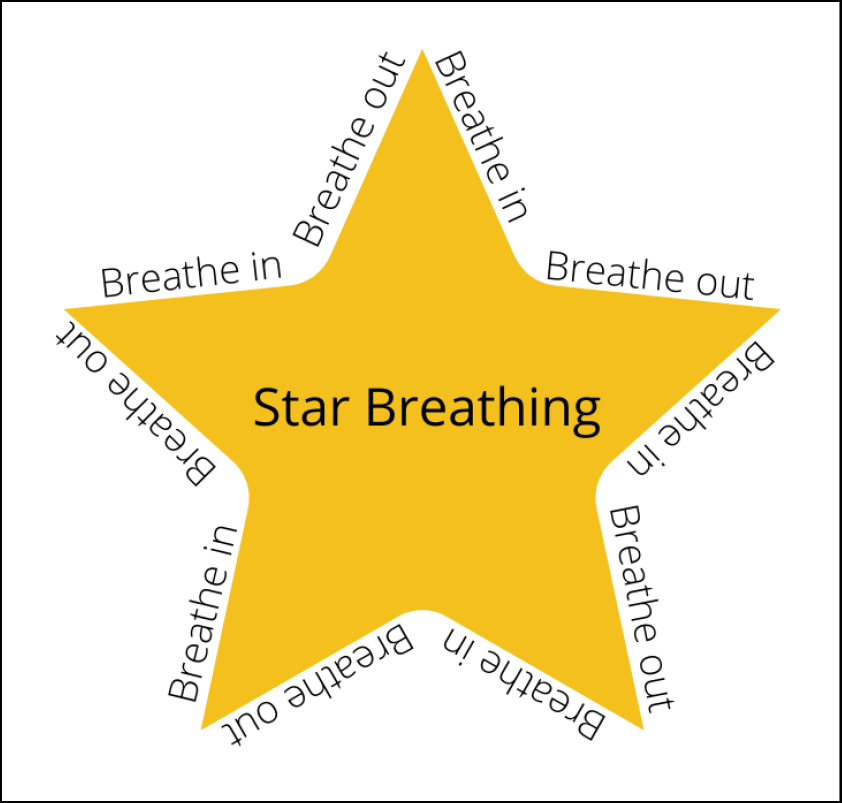
Star Breathing.
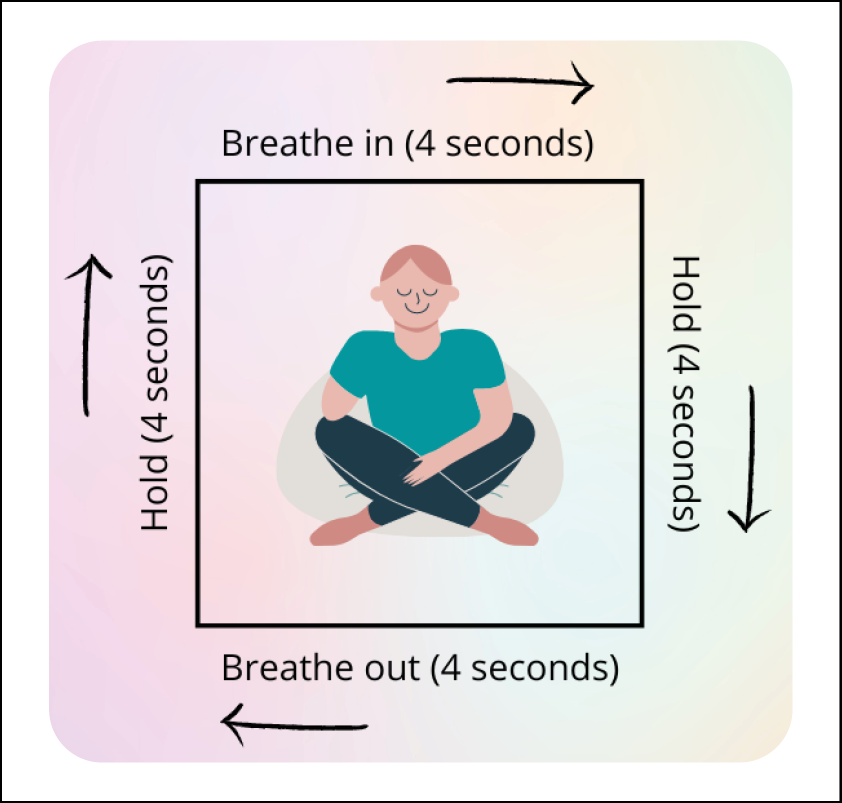
Box Breathing.
Calming Breathing
Breathe in through your nose like you’re smelling a flower

Breathe out through your mouth like you’re blowing out these birthday candles

On the day of needing a test or procedure involving a needle
Check on their choices
- Allowing children to choose helps them feel more in control. If your child has made a choice preparing for the procedure (e.g. wants to lie down) but changes their mind in the moment, letting them be flexible with their plan can help.
Older children
- May choose to know what is happening and have the healthcare practitioner talk them through it; others may not want to know. Other young people may like to watch, and others look away. It is OK to let your child be in control of how much they want to be involved.
Distractions
- On the day (play specialists may be available) can be really helpful, bringing fidget toys or an iPad or phone to watch videos can help.
It’s Okay
- Let children know that it is OK if they cry or shout during their appointment and that the most helpful thing they can do is try to stay still.
Holding a child
- Sometimes children really struggle to stay still because they are very worried. It is a normal reaction for them to want to pull their hand away or move. It can help to explain to a child that a nurse or doctor may hold their hand to stop it wiggling which means that the test should be over quicker. They might even need a big bear hug from a parent to help them.
Afterwards
Remember what was helpful and wasn’t helpful? Note these down so you know what is useful for next time.
Praise your child even if they were distressed – focus on what did go well. If your child made it to the appointment but did not manage to have blood taken, still praise your child for making it to the appointment. If your child was upset during the appointment, focus on how they still managed to have the test done.
Enjoy the treat you planned together.
Top tips
- Bring distractions with you to the appointment such as, their favourite toy, fidget toys, an iPad and watch or play their favourite videos or games
- If you are worried or anxious before a procedure your child might notice this too. It is OK to acknowledge that your normal feelings and you and your chid can talk about ways to cope together and nice things to do after to look after yourselves. On the day of needing a test or procedure involving a needle
- Check on their choices – allowing children to choose helps them feel more in control. If your child has made a choice preparing for the procedure (e.g. wants to lie down) but changes their mind in the moment, letting them be flexible with their plan can help.
- Older children may choose to know what is happening and have the healthcare practitioner talk them through it; others may not want to know. Other young people may like to watch, and others look away.
- It is OK to let your child be in control of how much they want to be involved.
- Distractions on the day (play specialists may be available) can be really helpful, bringing fidget toys or an iPad or phone to watch videos can help.
- Let children know that it is OK if they cry or shout during their appointment and that the most helpful thing they can do is try to stay still.
 |  |