World-leading clinical research and pioneering cancer treatment taking place in Leeds has been showcased as part of the Government’s national cancer plan roll out.
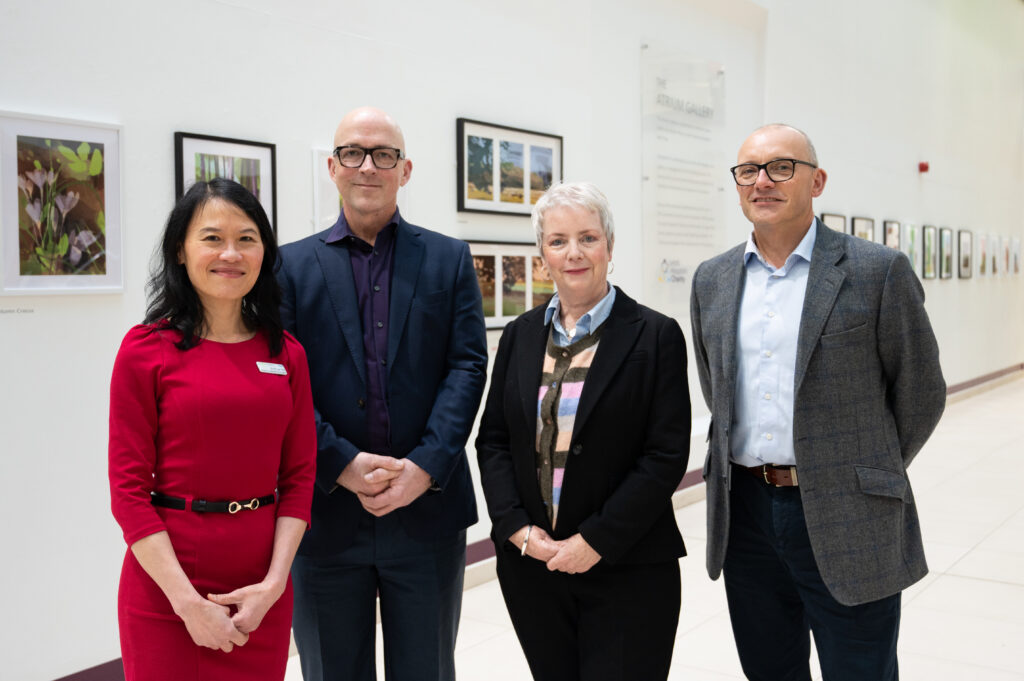
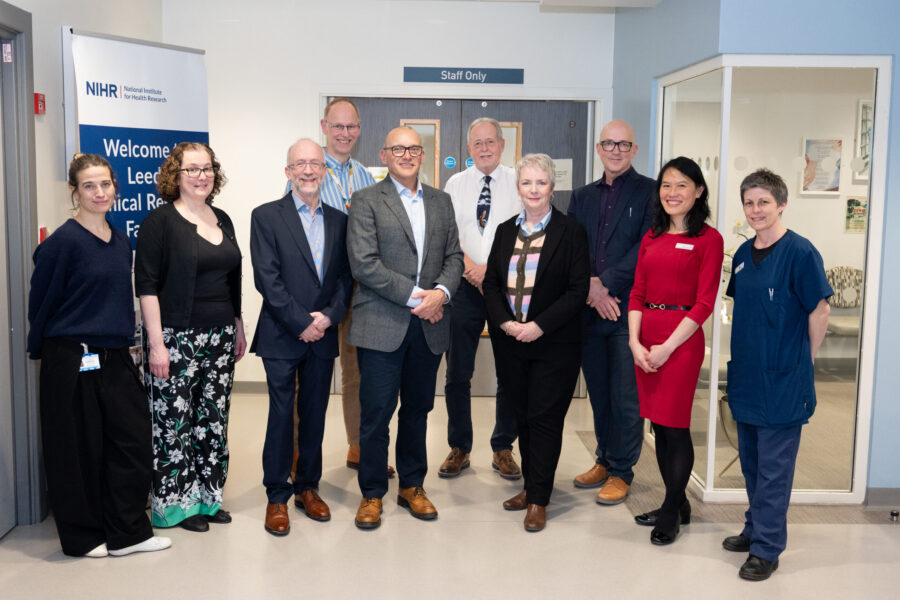
Karin Smyth, Minister of State for Health paid a visit to St James’s University Hospital on Wednesday 28 January to see first-hand the cutting edge cancer trials and the innovative treatment which is being pioneered in the city. The Minister had the opportunity to meet with senior clinicians as well as experts and partners of Leeds Teaching Hospitals who work collaboratively to deliver world-class cancer treatment to patients across Yorkshire.
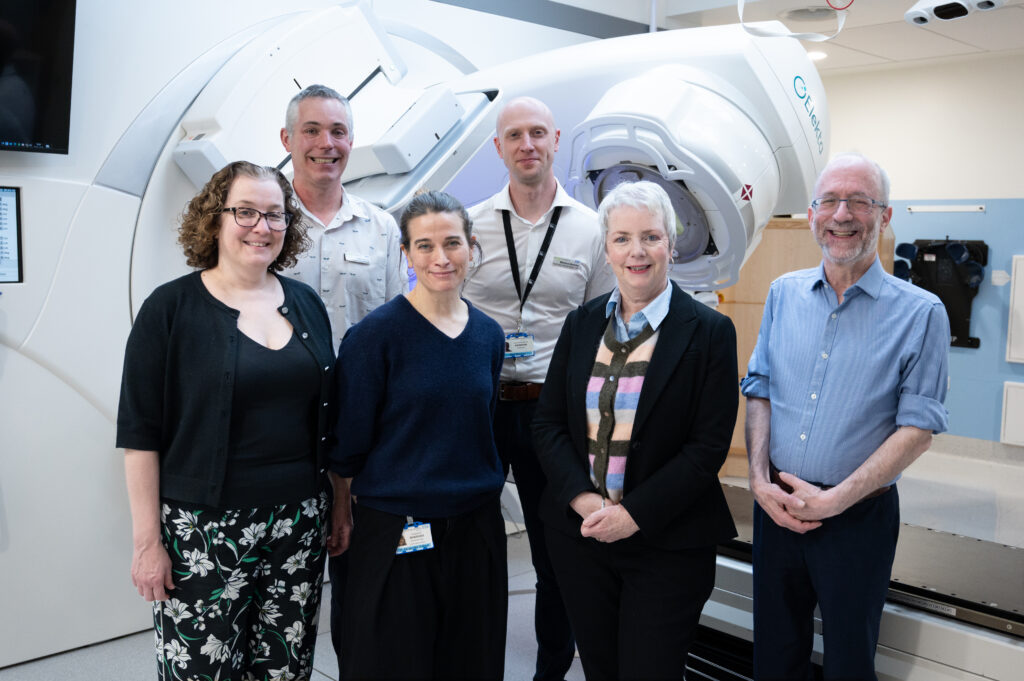
The Minister spent time in Leeds Cancer Centre, one of the most comprehensive cancer centres in the UK and home to the largest single-site radiotherapy treatment service. It was the opportunity to shine a light on the advances in treatment of anal cancer using precision radiotherapy, which has been pioneered following research by Prof David Sebag-Montefiore, Professor of Clinical Oncology at University of Leeds and funded by Cancer Research UK.
Ms Smyth also heard about the diverse and expansive portfolio of clinical research, particularly rare cancers including anal cancer, myeloma and sarcoma, undertaken at the Trust while visiting the state-of-the-art NIHR Leeds Clinical Research Facility based at the hospital. Leeds Teaching Hospitals delivers more than 1,300 clinical trials each year, involving more than 20,700 participants and is a centre of excellence in research and innovation delivering medical breakthroughs and transforming care through the latest medical advancements.
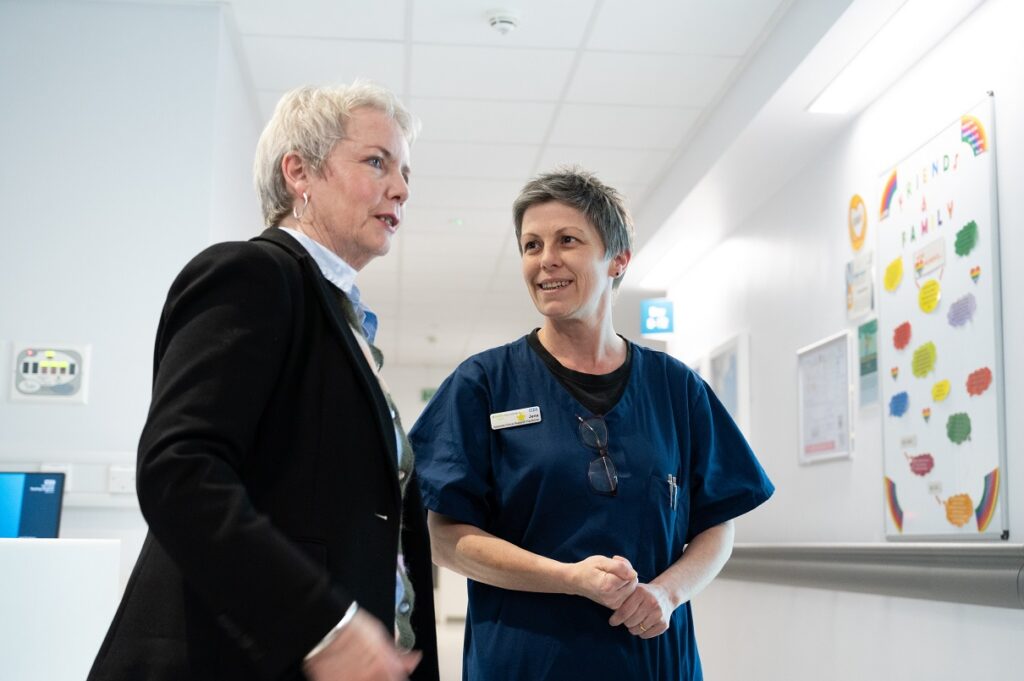
Speaking to the regional media, Ms Smyth explained that St James’ Hospital was an example of how the Government wants to take “the best of the NHS to the rest of the NHS.
“Some of the facilities we see here with regards to these rare cancers are the best,” she said.
Dr Ai Lyn Tan, Medical Director – Research and Innovation at Leeds Teaching Hospitals added: “Here in Leeds we are hugely proud of the passion and expertise of our colleagues who work collaboratively with partners regionally and nationally to transform healthcare. We were delighted to share the breadth and depth of clinical research we do right here and demonstrate the impact we’re having on our patients today and the healthcare of tomorrow.”